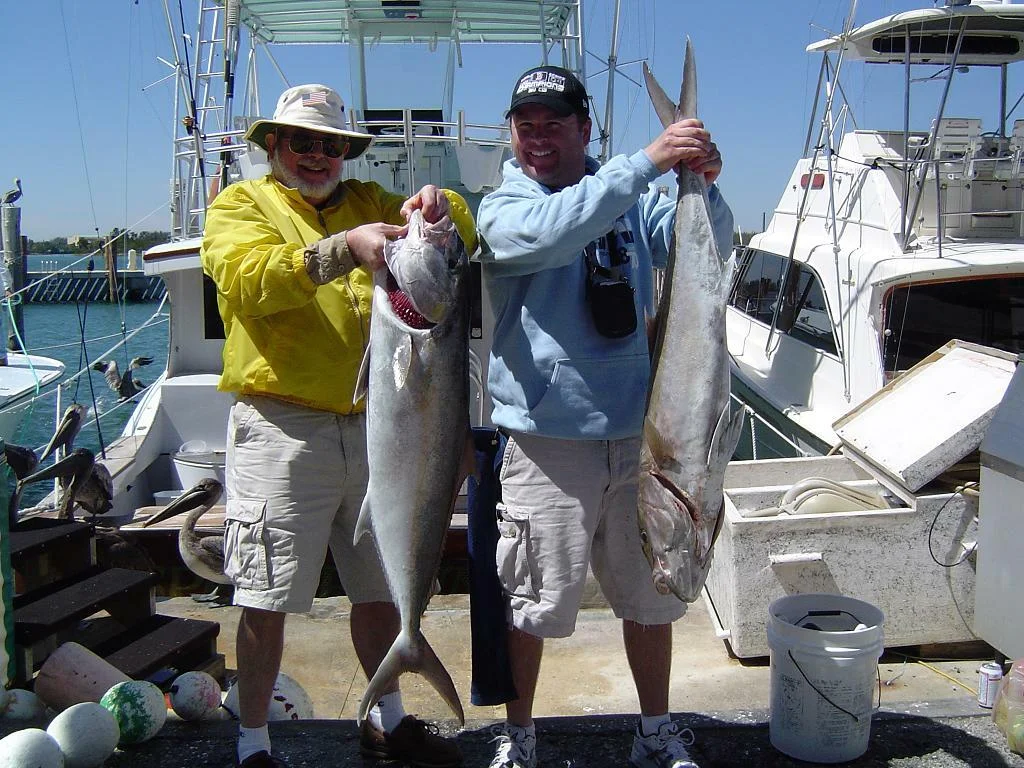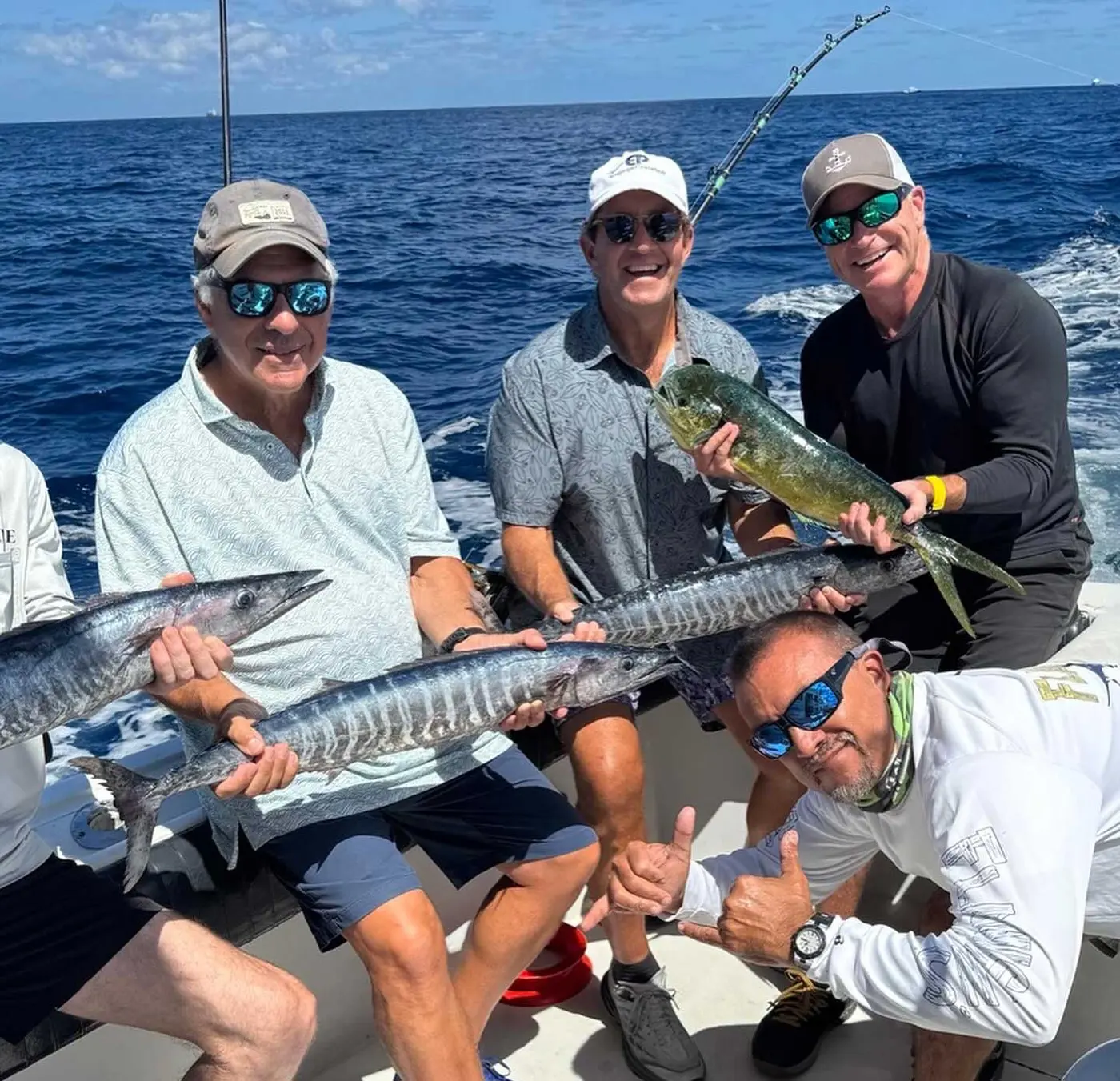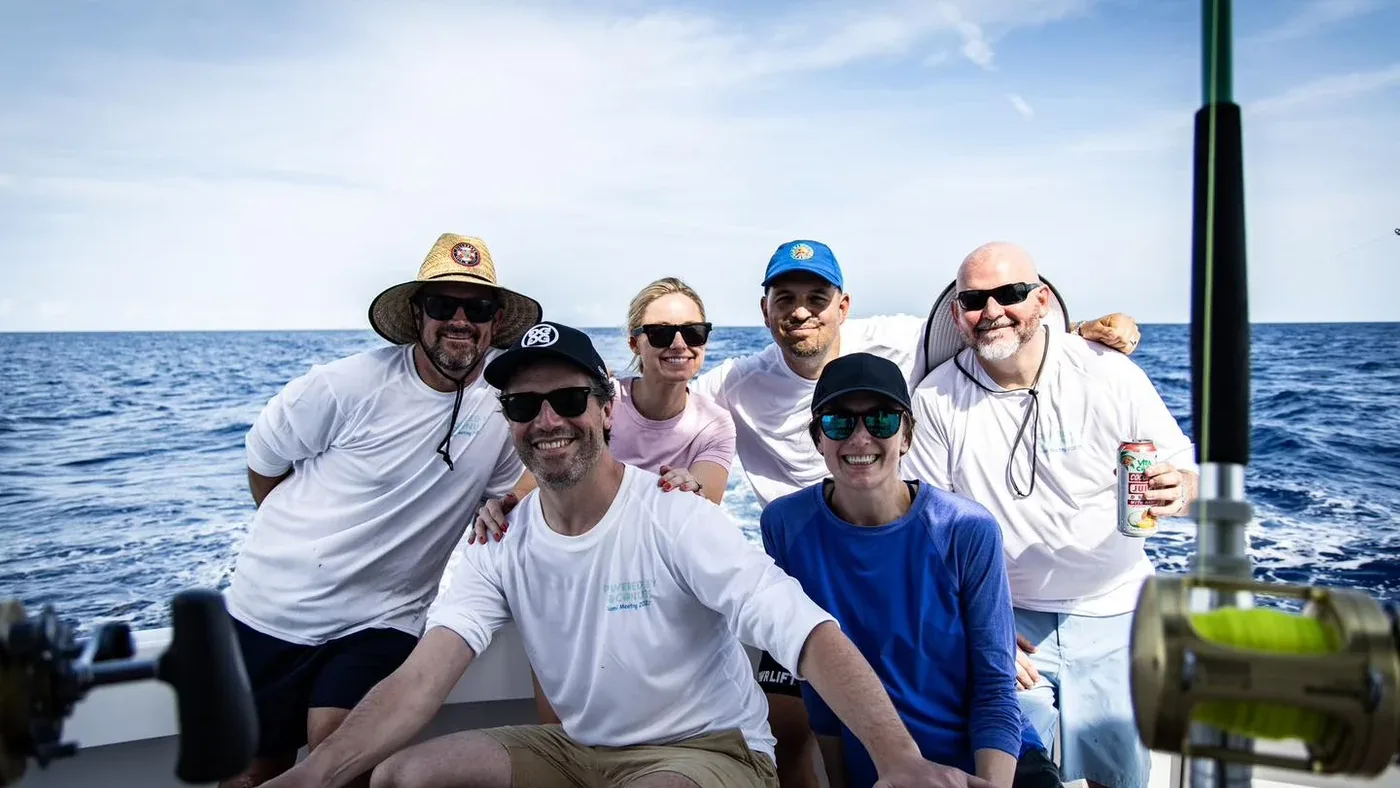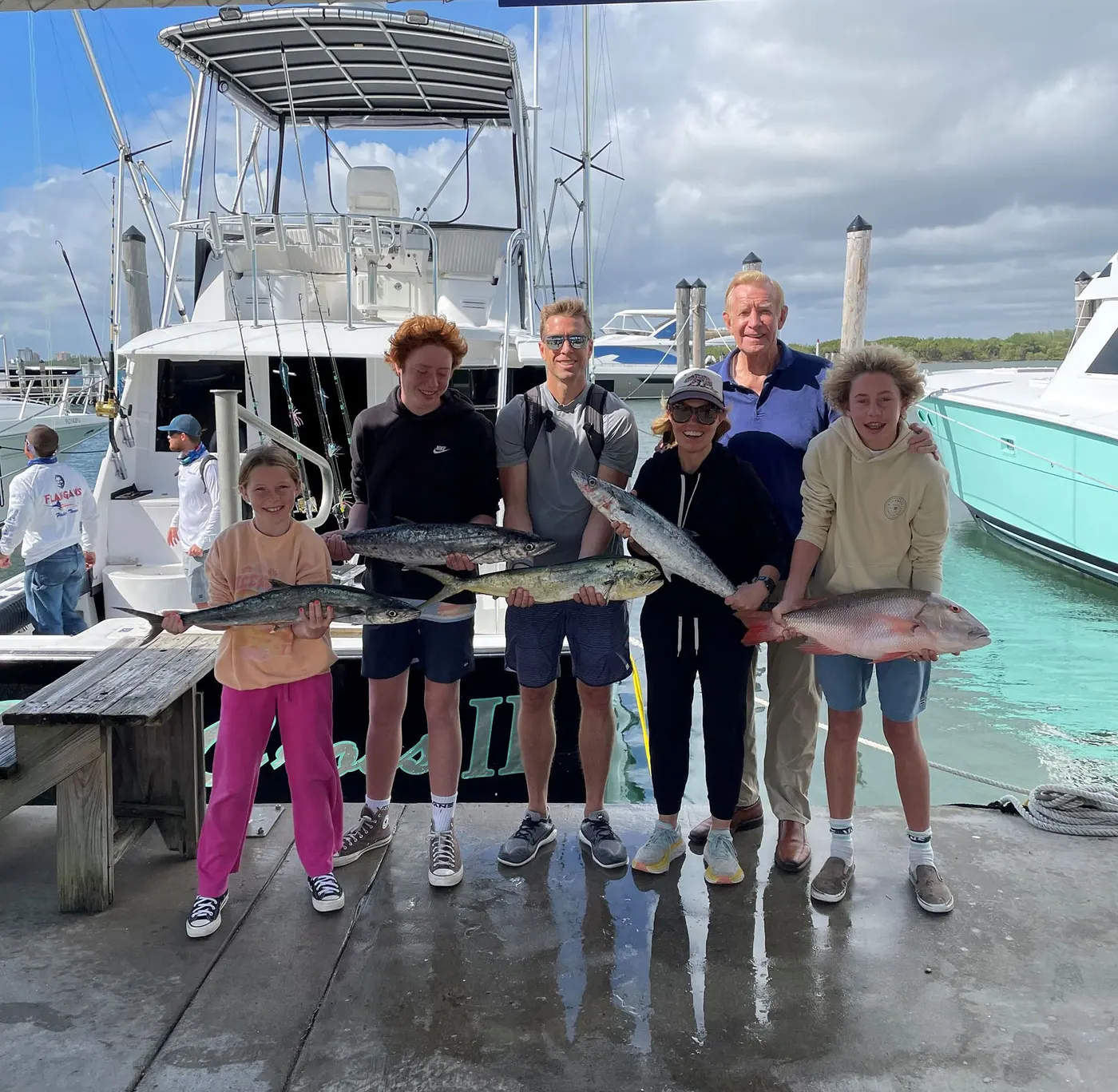
Wintertime fishing is here and it is heating up with spring around the corner. Sailfish, wahoo and kingfish are pouring through, and a lot of it is happening on the reef.
Wintertime Fishing Is Heating Up
Wintertime fishing is here and it is starting to heat up with spring right around the corner. All indications are pointing to a phenomenal season. Sailfish, wahoo and kingfish are starting to pour through our area.
A lot of these fish are being caught on the reef. You do not have to go way offshore. Mahi and wahoo are eating the ballyhoo right on the patch.
That is the part visitors have a hard time believing until they see it. February off Miami Beach puts sailfish and wahoo within a couple of miles of the beach, sometimes closer. The reef line does the work for us.
So join us for some phenomenal fishing here off Miami Beach. The season ahead looks promising, with sailfish, wahoo and kingfish moving through in numbers.
Why The Reef Bite Is So Good Right Now
Winter concentrates bait against the reef. North winds push in behind each cold front, the Gulf Stream keeps shoving north against that wind, and the two forces squeeze everything into a narrow band of water.
The patch reefs and the second and third reef edges fill with ballyhoo, pilchards and threadfin. Predators do not have to hunt far, so they set up on the edge and wait. That is why a kingfish or a wahoo will eat in 90 feet of water in January when the same fish would be sitting in 400 feet in July.
I look for three things on the reef this time of year. Showers of ballyhoo on the surface, frigate birds sitting rather than flying, and a hard current line with a color change. Any one of them is worth slowing down for.
Our Miami Beach fishing charters work this stretch daily, from the Haulover ledges north and south to the deeper wrecks. When the reef is on like this, we can fill a box without ever losing sight of the hotels.
Ballyhoo On The Patch
Mahi and wahoo eating ballyhoo on the patch is the signature of this season. The ballyhoo stack in shallow water over the patches, and the predators follow them right in.
We rig fresh ballyhoo with a pin rig and a 9/0 hook, then run them behind a small skirt or a soft head. The skirt keeps the bait clean, keeps it tracking straight and sheds weed. A ballyhoo that spins will not get eaten by anything worth catching.
Fresh bait beats frozen every time out here. When I see a herd of ballyhoo come into the chum slick, I will grab the cast net and put a few dozen in the livewell before we ever start fishing. That extra twenty minutes at the start changes the whole day.
Behind the ballyhoo spread we pull a planer with a bonito strip. That covers the 40 foot depth where the wahoo cruise while the surface baits work the mahi and the kings.
Rigging fresh ballyhoo is simple once you have done a few hundred. Pass the hook through the gills, set the pin between the lower part of the eyes, and wrap it with a rubber band. A bait rigged that way will troll for an hour without washing out.
Bait quality is the difference between a slow day and a good one in February. Frozen ballyhoo will catch fish, but a fresh one that still has its shine gets eaten first every time. I would rather spend twenty minutes with the cast net than start the day with second rate bait.
Sailfish, Wahoo And Kingfish Together
What makes February special is that three good species overlap. Sailfish rate excellent, wahoo rate excellent and king mackerel rate excellent, all in the same month and often on the same piece of water.
Sailfish want the 70 to 250 foot corridor with current running. Wahoo want structure and low light in the morning. Kingfish want bait pinned on the reef edge. A single drift can produce all three because those zones sit on top of each other here.
The overlap also means a slow hour rarely stays slow. If the kites go quiet, we pull them and start trolling. If the surface dies, the planer keeps working. Having several programs ready is the whole job.
You can see how the rest of the year shapes up in our Miami deep sea fishing seasons calendar, which rates each species month by month.
Reading A Cold Front Before You Fish It
Every winter charter here starts with the front schedule, not the fish report. A front arrives, the wind clocks around to the north, and the ocean stands up for a day or two. Then it lays back down and the fishing gets good.
The day the front actually hits is often the roughest and least productive of the week. I would rather take a group out two days later, when the seas have settled but the water is still stirred and the current is running hard against the leftover northerly breeze.
Water color tells the rest of the story. After a front I look for the line where dirty green inshore water meets clean Gulf Stream blue. Bait piles up on that seam and so do the predators.
Temperature is the third piece. Sailfish want water in the 70 to 80 degree range, which is exactly what a front leaves behind here. When the surface temperature drops a couple of degrees overnight, the kite bite the next morning can be outstanding.
What A Winter Morning Looks Like Out Of Haulover
We meet at the dock at Bill Bird Marina at Haulover Park and leave at eight. The inlet is a short run from the slip, and the first baits go in within ten minutes of clearing it.
The opening move is almost always a troll along the reef edge. Fresh ballyhoo on the flat lines, a bonito strip behind a planer, and a couple of skirted baits out on the riggers. That combination covers the surface and the 40 foot zone at the same time.
If the kingfish are thick we stay and work them. If the surface goes quiet we pull the spread and slide out to the edge to look for a weed line, floating debris or frigate birds. Winter debris off Miami Beach almost always has something living under it.
When the conditions call for it, out come the kites. Live goggle eyes or blue runners hanging at the surface under a kite is the highest percentage sailfish setup we have. On the right morning we may never troll again after the kites go up.
Back at the dock the mate cleans your catch while the kids look for tarpon and pelicans around the slips. That last twenty minutes is usually the part families remember.
Picking Your Trip This Season
Because the fish are close, a shorter trip fishes very well right now. A half day fishing charter runs four hours from eight to noon and still reaches the reef, the patches and the near edge.
If you want time to chase a sailfish properly, step up to a three-quarter day fishing charter. Six hours gives us room to set kites, wait out a slow stretch and move if the current shifts.
We never split or share a charter, so the cockpit belongs to your group and nobody else watches your fish come over the rail. The boats are wheelchair accessible if that matters for someone in your party.
Bait, tackle, ice, coolers and Florida licenses are all aboard. Bring a hat, polarized glasses, sunscreen, a light jacket for the ride out and whatever you want to eat and drink. Recent catches are logged in our Miami fishing reports if you want to see what has been biting this week.
Join us for a deep sea fishing charter here in Miami Beach while the winter run is on.
Tight lines and stay safe, Capt. Ralph.
Sea Cross Sportfishing, Miami Beach
Fish The Same Water
Capt. Ralph runs these trips out of Bill Bird Marina at Haulover Park. Call (305) 773-2282 to talk dates with Capt. Ralph, or browse the rest of the Miami fishing reports from the log.