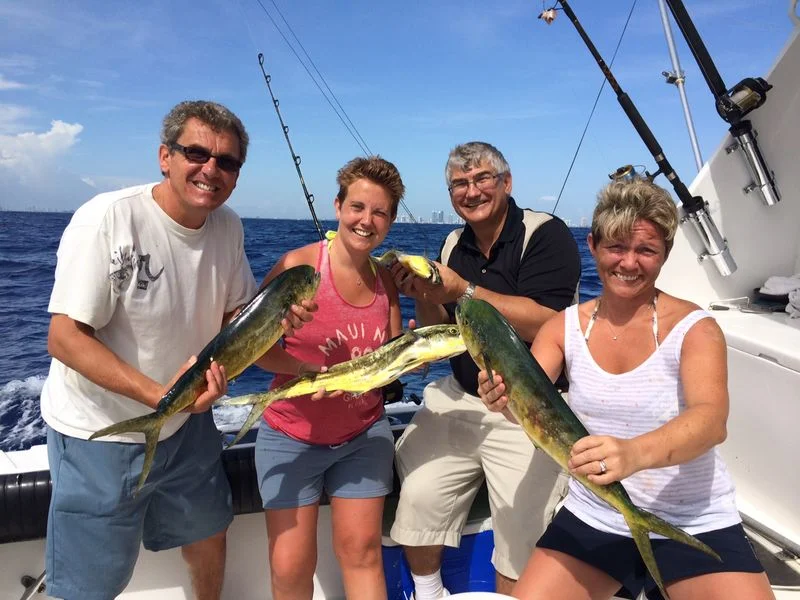
Summer nights on the Miami reef belong to snapper. Here is how we rig, chum and anchor for yellowtail, mangroves and muttons after dark.
Getting the Gear Ready for Night Snapper
Summer is finally here and we are getting our gear ready for some nighttime snapper fishing. You need plenty of chum and fresh cut bait. While we prefer big eye scad, also called goggle eye or chicharro, fresh ballyhoo and sardine work well too.
With a little current and a good honey hole you should be able to catch your limit. That sentence hides a lot of preparation. Bait quality, rig choice and anchor position decide the night long before the first fish comes over the rail.
First things first, make sure you have all safety gear in check and updated. Night runs are unforgiving of a dead flashlight or an expired flare. I check lights, horn, radio and life jackets before every after dark trip.
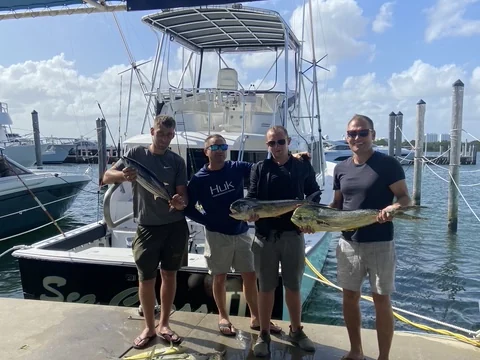
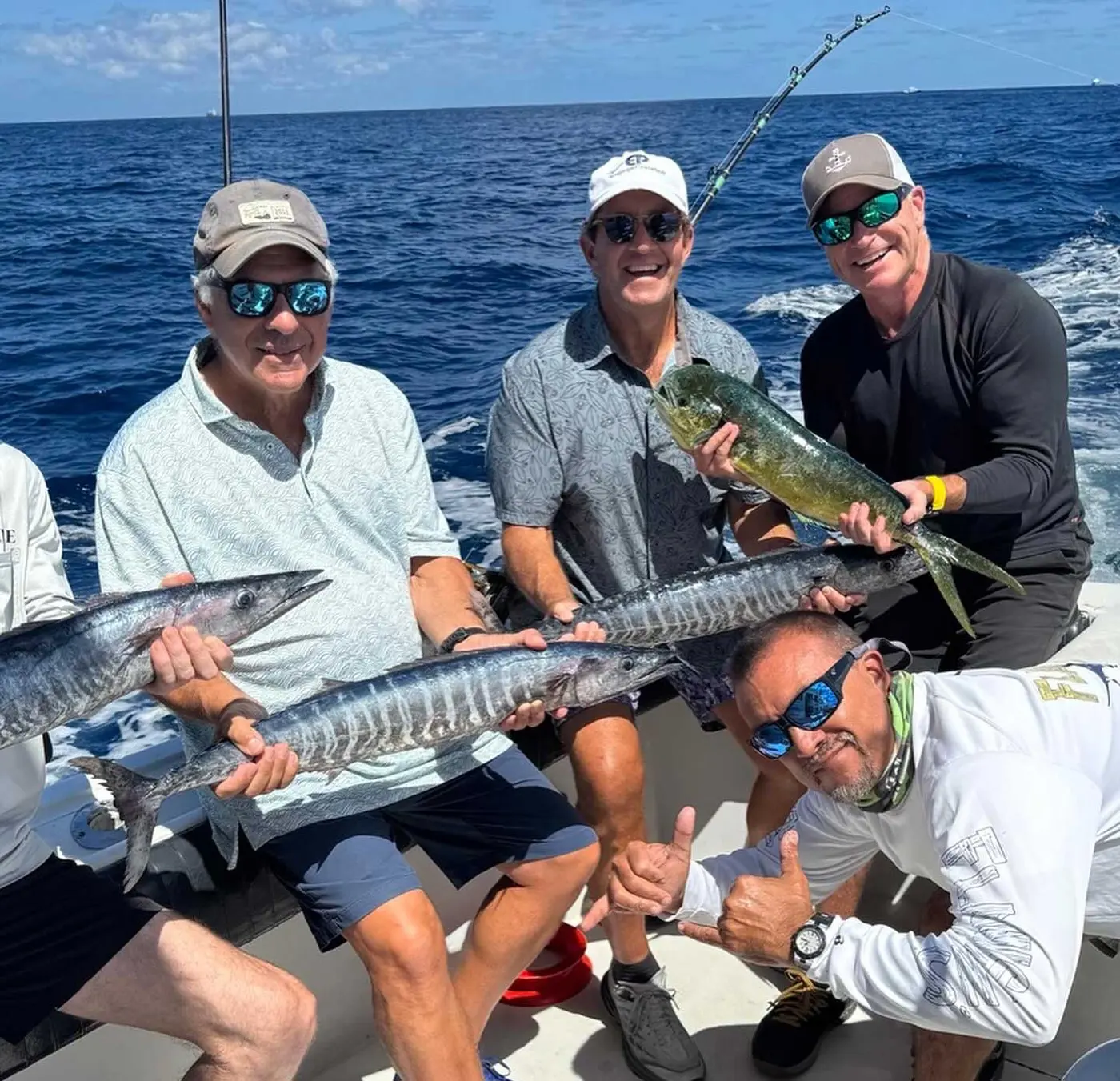
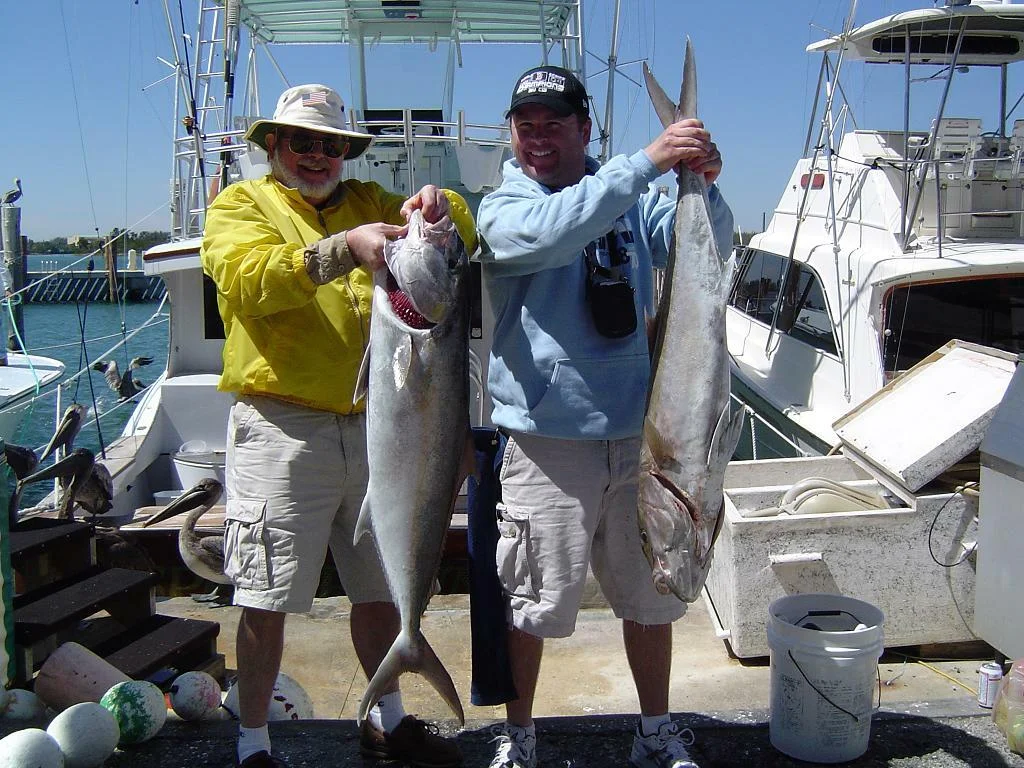
Fishing at night is a really nice way to catch all kinds of snapper, from yellowtail and mangroves to muttons. The reef feels like a different place once the sun goes down.
Why Snapper Feed Harder After Dark
Snapper have excellent eyesight, and in clear summer water that works against the angler. During daylight a yellowtail will study a leader, refuse a bait, and swim off. After dark that caution drops away.
Darkness also shrinks the world down to your chum slick. The fish cannot see the boat, the leader or the hook the way they can at noon. They see drifting food and they commit to it.
The other factor is water temperature. June water on the reef gets uncomfortably warm by mid afternoon, and fish slide deeper or go off the feed. A few hours after sunset the top of the water column cools and the reef comes back to life.
Bottom fishermen work the reefs from roughly 50 to 120 feet for this. Yellowtail, mutton and mangrove snappers are all cooperative night feeders in that band.
Chum, Fresh Cut Bait and Goggle Eyes
Remember that fresh cut bait is key. If you can catch your own bait, then you have won half the battle. Frozen bait catches fish, but fresh bait catches more of them, and the difference is not subtle.
Bring two to four cases of chum depending on the current. How long your chum lasts is a direct function of how hard the water is moving. A ripping current will empty a bag in under an hour, while a lazy drift can stretch one across the whole night.
Big eye scad are my first choice for cut bait and for live work. They are tough, oily and the right size for a hungry mutton. Ballyhoo and sardine fill in when goggles are scarce.
The slick is the whole game. Keep it unbroken, keep it going the same direction, and never let it die while you are rigging.
Short Leaders and the Knocker Rig
I like fishing with a shorter leader at night as opposed to the long leader rig we use during the day. In daylight and clear water I might run twenty feet of fluorocarbon to fool a mutton. After dark that is wasted effort and harder to manage.
A knocker rig works well. Here in Miami it is one of the more common rigs to catch these fish. The egg sinker rides right down on the hook eye, so the weight and the bait arrive together and stay pinned near the bottom.
That rig does two useful things. It gives the fish very little slack to work with, and it lets you feel a soft pickup that a long leader would swallow. When a mutton mouths a bait, you know.
Hook size stays modest. Big hooks in clear water cost bites, and a sharp smaller hook holds a snapper just fine.
Yellowtail, Mangroves and Muttons
These three fish share the reef but behave differently. Yellowtail ride up in the chum slick and will feed well off the bottom once they are fired up. They come to the boat if you keep feeding them.
Mangrove snapper stay tighter to structure and are far more suspicious. They are the ones that make you drop to lighter leader. A mangrove will follow a bait halfway to the surface and turn away for no reason you can name.
Muttons are the prize. They sit on or near the bottom, often on the edges of the structure rather than in it. Spring and early summer bring them onto the deeper reefs to spawn around the full moon, and they commonly run 10 to 20 pounds.
All three are excellent on the table. That is a large part of why summer nights are worth losing sleep over.
Reading the Moon Before You Pick a Night
Moon phase changes a night trip more than most anglers realize. A bright full moon lets fish feed all over the reef instead of concentrating in your slick. A darker moon pushes them toward whatever light and food you provide.
That cuts both ways for muttons. They gather on the deeper reefs within a few days of the full moon to spawn, and if you hit that window right the fishing can be outstanding. For yellowtail I would rather have a dark night.
Tide and current run alongside the moon. I want moving water, not slack, because a stalled slick simply sinks under the boat and accomplishes nothing. A gentle steady push is ideal.
When somebody asks me which night to book, this is the conversation we have. The calendar decides more than the tackle does.
Anchoring and Working the Current
Anchor position determines everything. You want the boat set so the current carries your chum straight down the ledge you intend to fish. Get that wrong by thirty degrees and you are feeding empty sand.
I anchor up current of the spot and let the slick do the walking. It can take two or three resets to get it right, and that time is never wasted. Fish come to you rather than the other way around.
Current strength changes the whole approach. In hard current I add weight and shorten the drift. In slack water I go lighter, lengthen the leader a bit and let baits fall naturally through the slick.
Our sportfishing charter fleet carries the ground tackle and the electronics to set up precisely on these spots after dark, which matters more than any rod in the rack.
Summer Nights Are a Different Kind of Trip
An after dark snapper trip is calm work compared to chasing billfish. Nobody is sprinting across the cockpit. You sit, you feed the slick, and you stay ready for the rod that loads up slowly.
The sky is part of the appeal. South Florida gives you a beautiful night sky a few miles off the beach, away from the glare of the city. Plenty of guests remember that as much as the fish.
June also opens grouper season, and the mutton spawn reignites on that month's full moon. Both are worth building a trip around. The Miami fishing seasons calendar lays out how those windows line up.
Longer trips give you the time to anchor, build a proper slick and actually let it work. Our full day fishing charters are the usual choice when bottom fishing is the goal.
Come Fish a Summer Night With Us
If you like to catch some of these fish, just give us a call. Snapper trips are simple to plan and forgiving on the weather, since the reef fishes fine in conditions that would ruin an offshore run.
Bring a cooler. Yellowtail and mangroves fillet out beautifully, and a mutton is about as good a fish as swims in this ocean. The mate handles cleaning at the dock.
Ring (305) 773-2282 and let me know how many people are coming and which night suits you. The full list of Miami fishing charters is there if you want to compare trip lengths.
Tight lines and stay safe, Capt. Ralph
Sea Cross Sportfishing, Miami Beach
Fish The Same Water
Capt. Ralph runs these trips out of Bill Bird Marina at Haulover Park. Call (305) 773-2282 to talk dates with Capt. Ralph, or browse the rest of the Miami fishing reports from the log.