Wrecks and artificial reefs off Miami stack fish from the surface to the bottom in spring. Here is how we drift them, anchor them and fish every layer.
Spring Is a Great Time to Explore the Wrecks
Spring is a great time to explore all the wreck and reef fishing opportunities in Miami. The water has warmed, the bait is moving, and structure that sat quiet all winter suddenly holds fish at every depth.
What makes this coast unusual is how much structure sits close in. Hundreds of wrecks and artificial reefs lie within a short boat ride of the inlet. You are not burning fuel for an hour to reach the first one.
Each piece fishes a little differently depending on its size, its depth and how the current hits it. Learning a handful of them well beats knowing fifty poorly.
Drifting and dropping on the numerous artificial reefs and wrecks in the Miami area can be an extremely productive way to spend your day on the water.
Cobia and Wahoo Ride High Over Structure
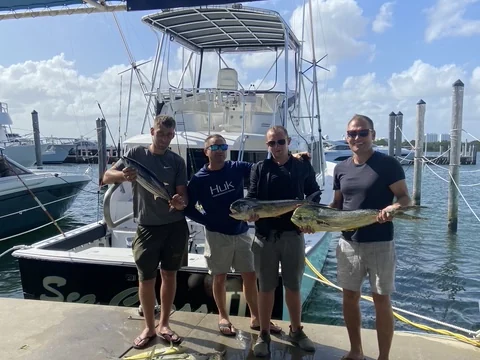
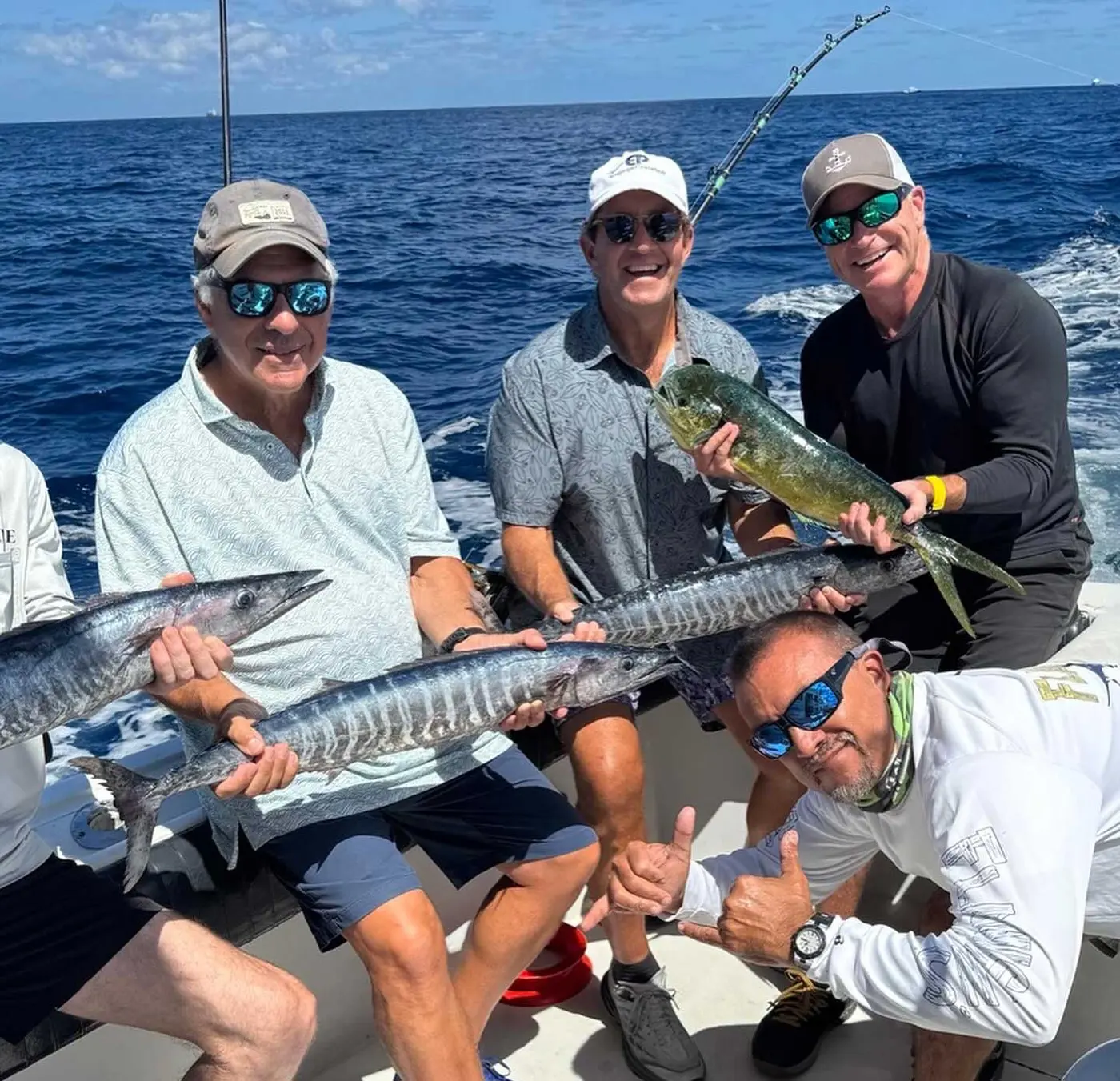
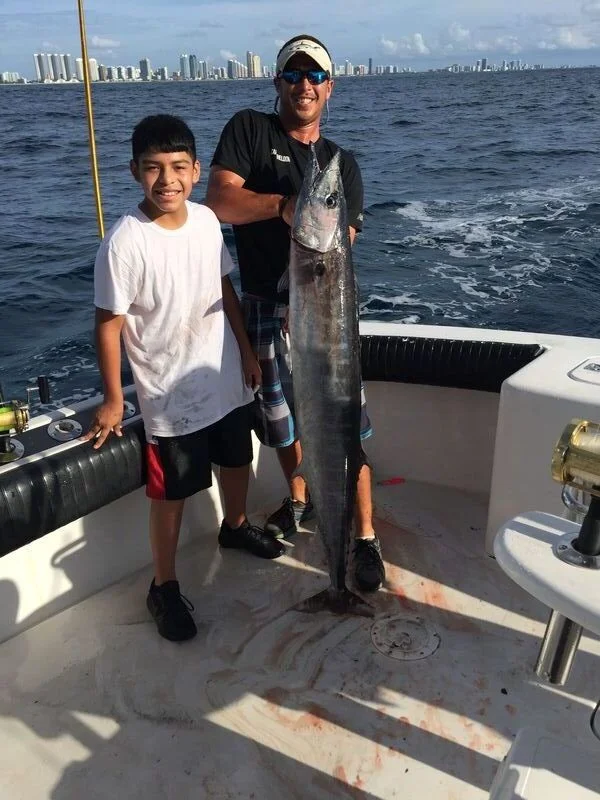
Cobia and wahoo can be found near the surface over many of the area wrecks. Both are ambush feeders that use the structure below as a staging point and hunt upward from there.
Cobia are curious and will swim right up to a drifting boat to investigate. When one shows, you pitch a live bait or a bucktail at it immediately, because the window is short. Hesitate and it fades back down.
Wahoo are the opposite. They rarely announce themselves and usually arrive as a violent strike on a bait you had almost forgotten about. Keeping one rod rigged high and ready pays off over a spring season.
Both fish are excellent eating, and both are worth changing your plan for when the signs are there.
Kingfish and Amberjack in the Middle
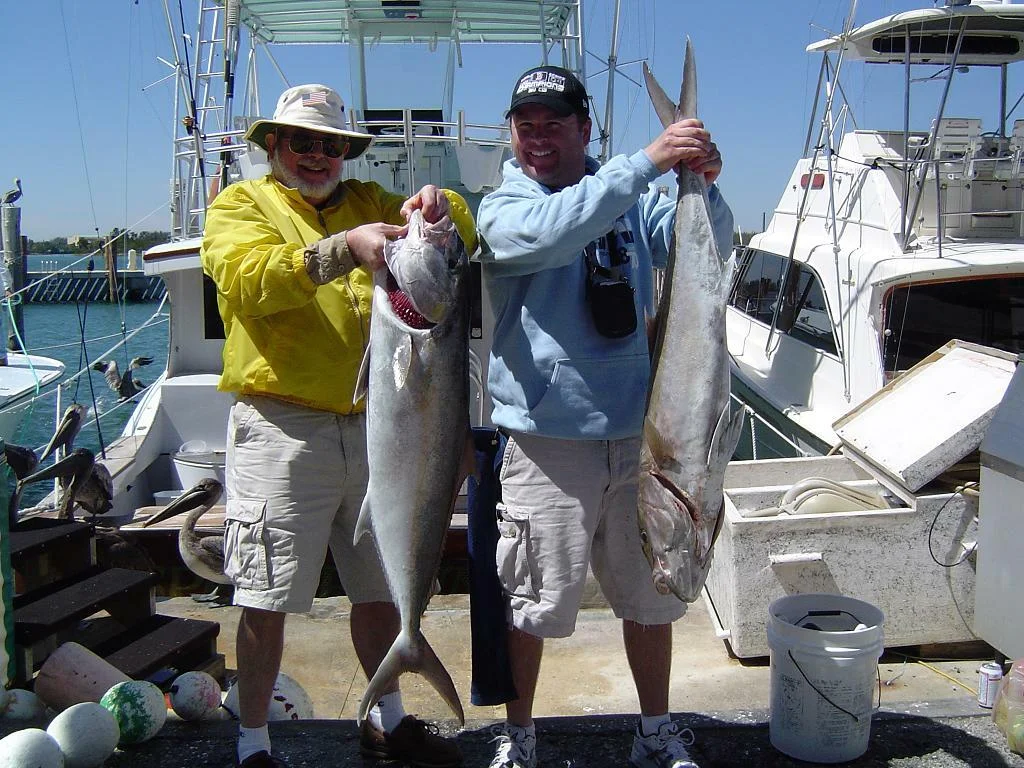
Kingfish and amberjack can be numerous this time of year in the mid water column over bottom structure. That middle layer is where a lot of trips are won, and where a lot of anglers forget to fish.
Spring is the amberjack spawn. They gather on the deeper wrecks in large numbers, and they are called reef donkeys for good reason. A big one can approach a hundred pounds and it will feel like you hooked the bottom and the bottom fought back.
There is no finesse to that fight. You lift, you wind, and the fish tries to drag you straight into the wreck. Strong backs and heavy tackle are both required.
Kings hang in the same layer chasing bait pushed up off the structure. A live bait fished halfway down covers both species at once.
Mutton Snapper and Grouper on the Bottom
While the wrecks themselves and the surrounding bottom are holding mutton snapper and grouper. Those two are the reason most people want to drop a bait in the first place.
Muttons prefer the edges rather than the wreck itself. They cruise the sand and rubble around the structure hunting crabs and small fish. A bait presented just off the wreck often beats one dropped into the middle of it.
Grouper live inside the steel. Hook one and the entire fight happens in the first eight seconds, because it is trying to get home and you are trying to stop it. Lose that argument and you will not see the fish.
Seasons and regulations change, so some spring grouper get measured, photographed and released. That is part of keeping this fishery healthy.
Drifting and Dropping Artificial Reefs
Drifting is the most flexible way to fish a wreck. You set up up current, let the boat carry you across the structure, and drop baits so they arrive on target. Then you reset and do it again.
The advantage is coverage. Every pass shows you a slightly different piece of the structure and a slightly different set of fish. It also keeps you off the anchor when conditions are shifting.
The discipline is boat position. Current and wind rarely push the same direction, so the drift line has to be re-read constantly. A drift that starts perfect can be fifty yards off by the third pass.
Our full day fishing charters give us the hours to work several pieces of structure properly instead of rushing one.
When Anchoring Beats Drifting
When the current and weather conditions are right, anchoring on a local wreck can be even more productive. A fixed boat lets you build a chum slick and keep baits in one precise spot for as long as you want.
Anchoring the boat up current is the preferred method in most instances. This will allow you to present bottom baits onto or near the wreck in a natural fashion. The bait drifts back to the fish rather than dropping on their heads.
Depending on water clarity, long leaders may be needed. Clean spring water means going longer and lighter than feels comfortable, especially for muttons.
Getting the anchor set right can take a few tries. It is worth every minute you spend on it.
Fishing the Entire Water Column
Flat lines on top and mid water baits allow you to fish the entire water column. This time of year the wrecks are loaded with fish from the surface all the way down, and a one depth approach wastes most of them.
My standard setup covers three layers. A flat line or two riding high for cobia and wahoo, a live bait suspended in the middle for kings and amberjack, and weighted rigs on the bottom for snapper and grouper.
That spread also tells you where the action is. Whichever layer gets bit first usually decides how we fish the rest of the stop.
Balance matters though. Too many rods in the water on a drifting boat turns into a tangle the moment something big runs.
Reading Structure on the Sounder
Before a single bait goes down, I want to see the wreck on the screen. The shape of the return tells me where the high point sits, which way the debris field runs, and whether anything is stacked above it.
Bait showing as a cloud over the structure is the signal I want. No bait usually means no predators, and I will move to the next number rather than waste an hour hoping.
Fish marks sitting well off the bottom change the plan completely. That is amberjack or kingfish holding in the middle, and it tells me to suspend baits rather than drop them all the way down.
Both boats in our sportfishing charter fleet run current electronics and radar, which is what makes this kind of reading possible.
Live Bait Chumming for the Pelagics
Aside from the obvious target species already mentioned, all this fish activity will attract pelagics as well, including sailfish, mahi-mahi and tuna. Bait concentrated over structure draws everything that eats bait.
Live bait chumming is another tactic used to target the pelagics in the vicinity. Handfuls of live pilchards scattered up current pull fish off the wreck and into the open where you can reach them.
I have raised sailfish over a wreck more than once while the anglers were busy bottom fishing. It pays to keep one light outfit rigged with a live bait and a free spool.
Our Miami Beach fishing charters carry live wells on both boats so we can run this style all spring.
Come Give Wreck Fishing a Try
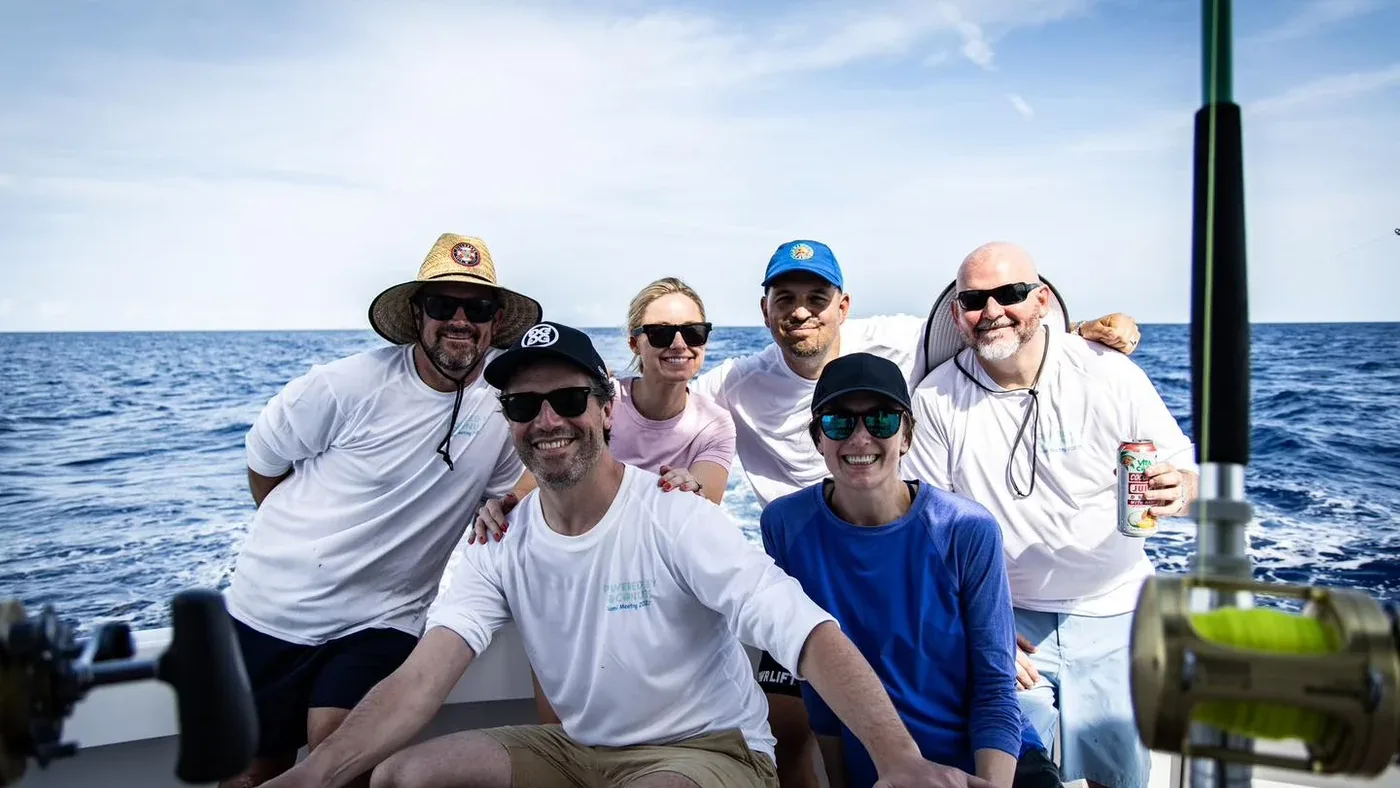
If you have never been wreck fishing, Miami is a great place to try it, with hundreds of wrecks and artificial reefs within a short boat ride. Beginners do well because the technique is straightforward and the bites are frequent.
It is also the most forgiving trip in windy spring weather. Structure fishing works in conditions that shut down a long offshore run, and our boats handle the chop comfortably.
If you are ready to give wreck fishing a try, please give me a call on (305) 773-2282 and come join us. Our Miami deep sea fishing charters reach this structure within minutes of leaving the dock.
Tight lines and stay safe, Capt. Ralph
Sea Cross Sportfishing, Miami Beach
Fish The Same Water
Capt. Ralph runs these trips out of Bill Bird Marina at Haulover Park. Call (305) 773-2282 to talk dates with Capt. Ralph, or browse the rest of the Miami fishing reports from the log.