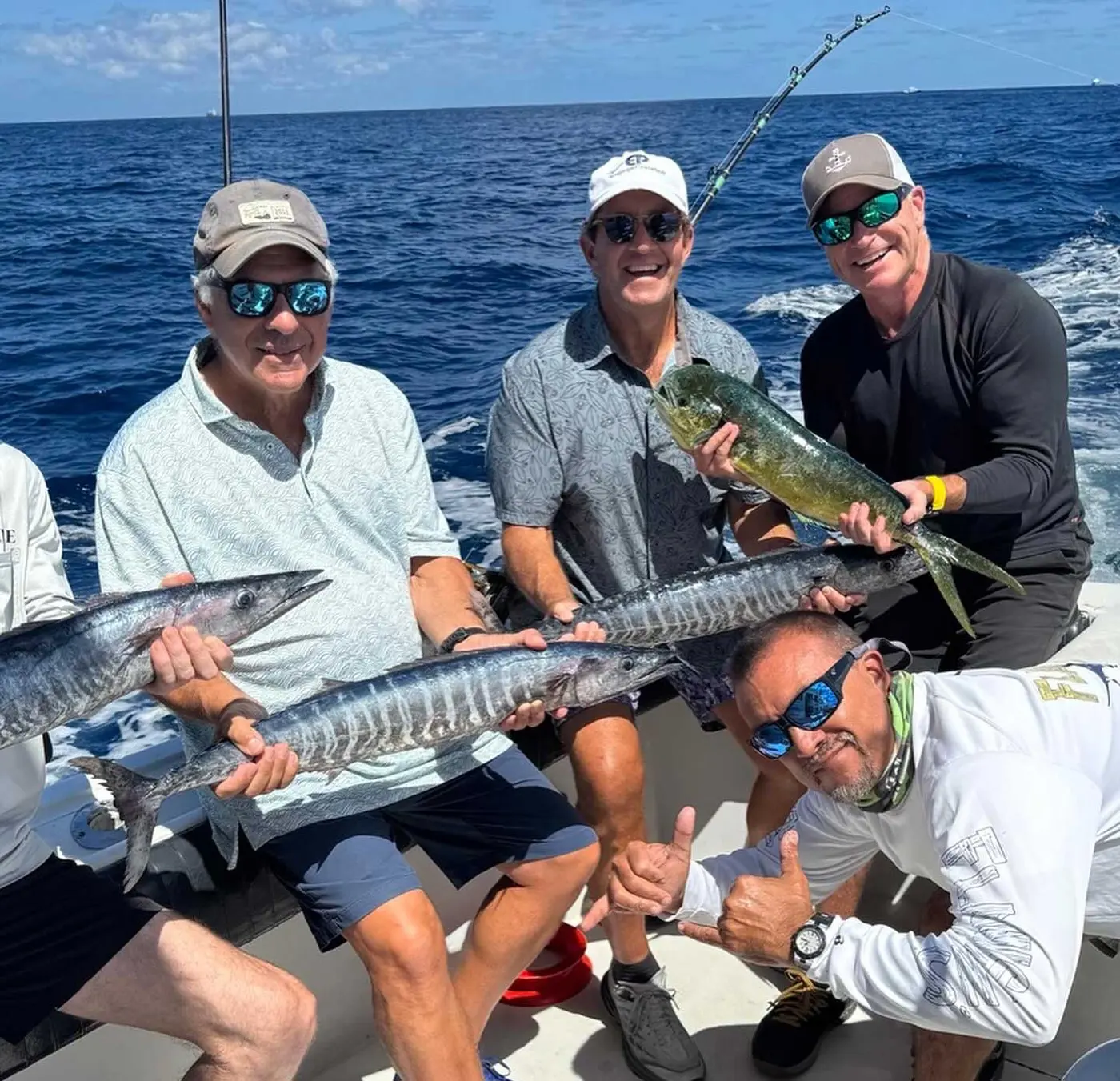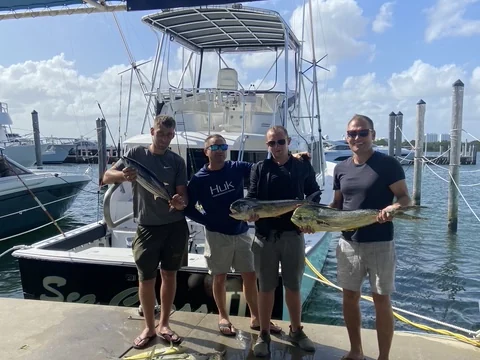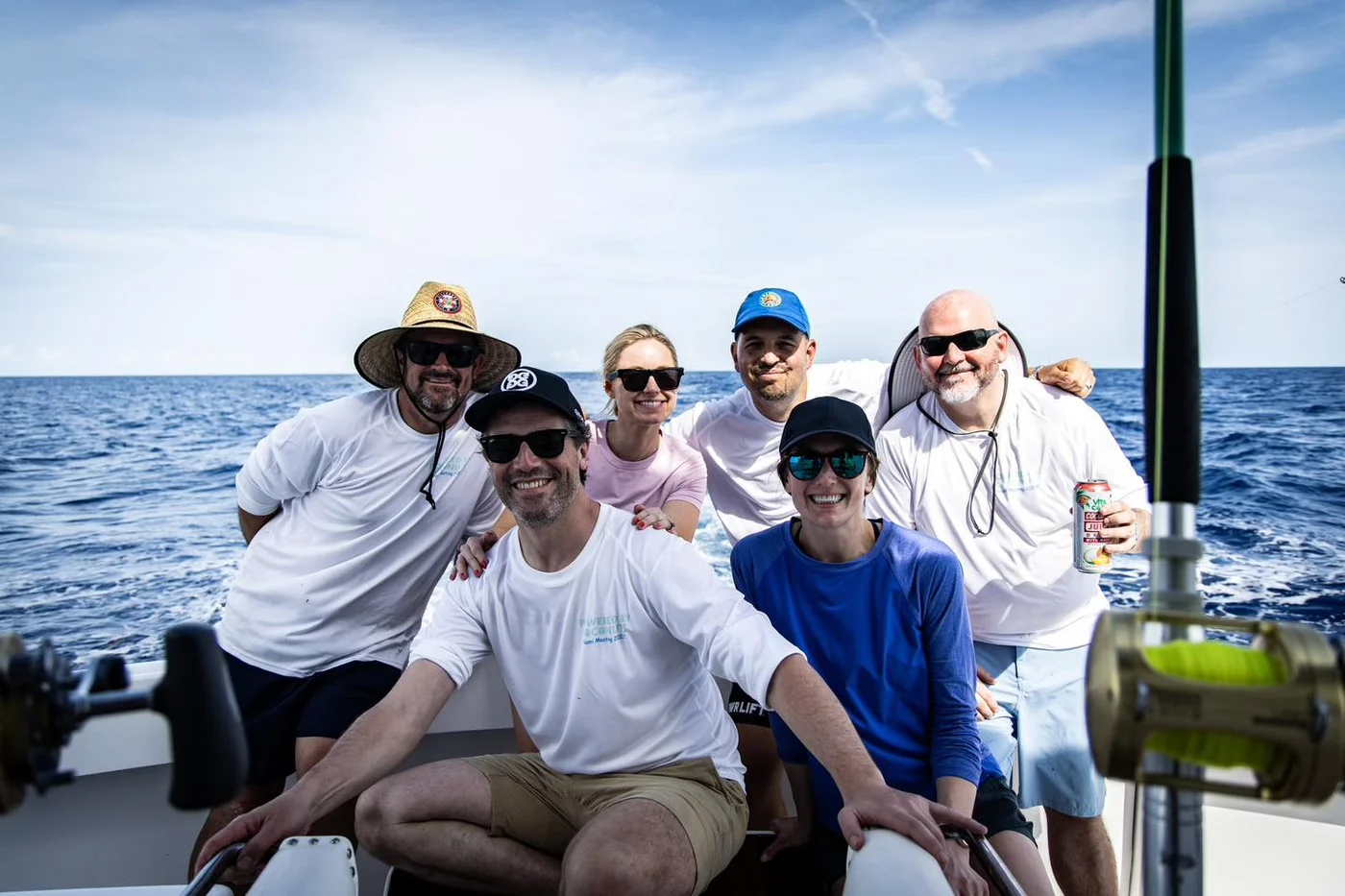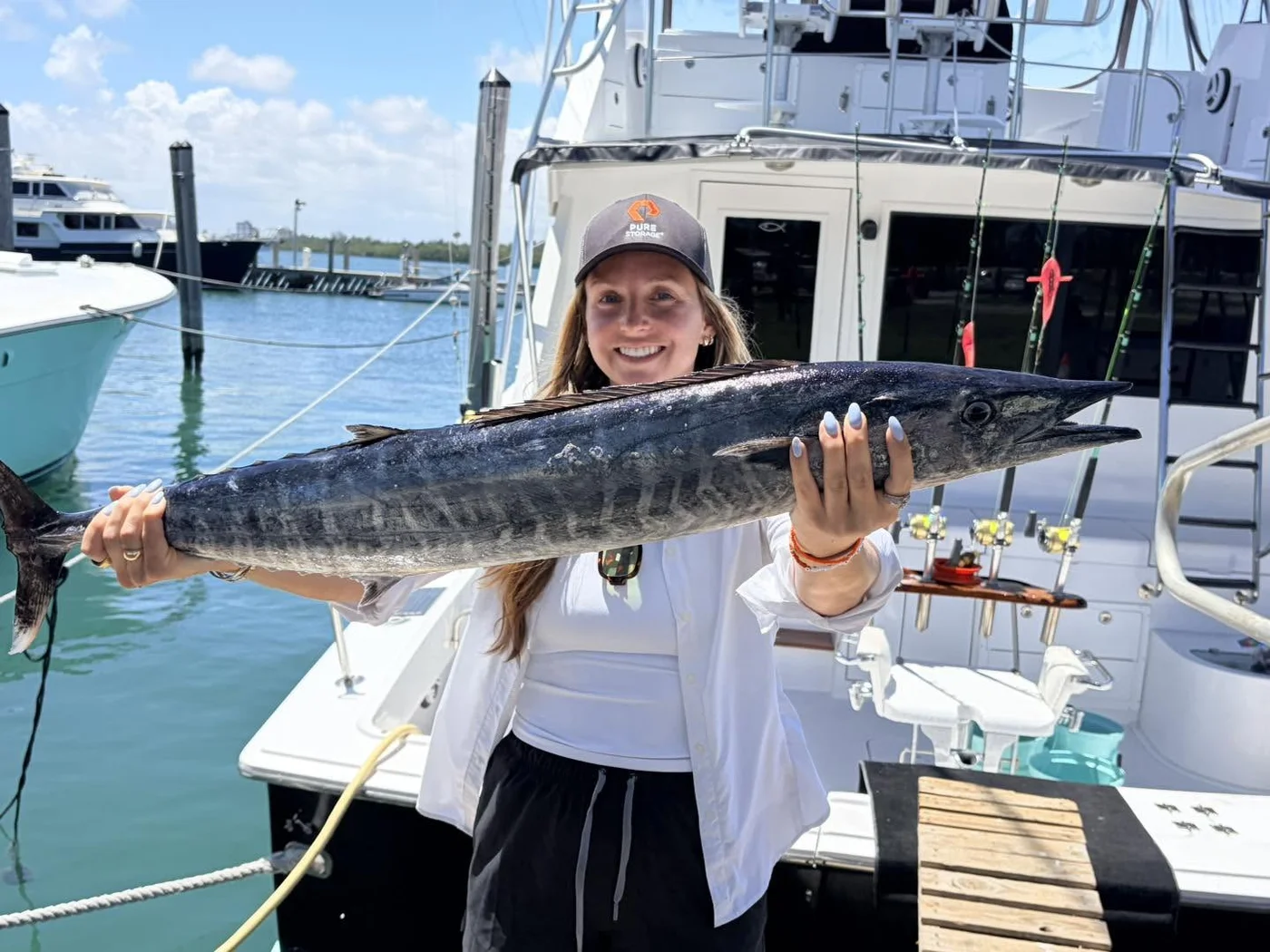
We lost the first grouper to the wreck and pulled the second one out clean. Sharks have been eating on the deep stuff too.
Light Current to the North, Perfect Conditions
It was a good day, I told Paul. We should be able to get some baits down on my deeper spots. We had a light current to the north, perfect conditions.
Current is everything on a wreck. Too much and your baits sweep past the structure before they ever reach bottom. None at all and the fish go off the feed entirely.
A light push to the north is the sweet spot. It lets a weighted bait fall almost straight down, and it keeps the boat drifting slowly enough to stay on the numbers.
Days like that are worth clearing your calendar for. You cannot order them up, so you fish them when they arrive.
Setting the Sea Cross on the First Pass
Once I set the Sea Cross on the first pass, we put down a bait and I told my client to get ready. The first drop on a fresh wreck is usually the best one you will get all day.
The fish have not been disturbed yet. Nobody has hooked one, nothing has been dragged through the structure, and the whole population is still sitting where it belongs.
That is why I take so long getting the boat positioned before anybody drops. Rushing the first pass is throwing away your best chance.
Sure thing, the rod bends over. I see Mitch grab the rod, and at the same time I tell him to start reeling as fast as he can.
That Fish Had Other Ideas
But that fish had other ideas. He wanted to go home. After one good run he got into the wreck, and we were zero for one.
That is grouper fishing in one sentence. The fight is decided in the first five or six seconds, and the fish is trying to get back to a hole it has known its entire life.
Once it reaches the structure, the line goes across steel and the argument is over. You can sometimes free a fish by going slack and waiting, but more often you are re-rigging.
Nobody feels bad about it for long. It is part of the deal when you fish inside a wreck.
What Zero for One Teaches You
Losing that first fish told me two useful things. There were grouper on the wreck, and they were sitting close enough to the structure to reach it in one run.
That changes the approach. It means dropping slightly off the high point so a hooked fish has further to travel, and it means being ready to lean on it immediately instead of easing into the fight.
Drag gets set heavier than most anglers expect. You are not playing this fish, you are stopping it.
The information from a lost fish is worth something, as long as you use it on the next drop.
Moved Up Current and Set Up Again
I moved up current and set up. This time Mitch was ready. He got a good set up and pulled this one out, a nice hefty 20 pounder, I told him.
Same wreck, same bait, different result. The only thing that changed was the angler knowing what was coming and committing to the first few cranks without hesitating.
Repositioning up current mattered too. It gave the bait a natural approach and it put the boat where I could pull the fish away from the steel rather than into it.
Twenty pounds of grouper is a serious fish and excellent on the table.
Bait Choice on the Deep Spots
Grouper are not fussy, but they are lazy. A big, obvious, smelly bait sitting in front of a hole gets eaten far more often than something small and subtle.
Fresh cut bonito, whole small fish and live baits all work. Size matters more than species, and a bait that would look ridiculous on the reef is about right on a deep wreck.
Weight is the other decision. You need enough lead to get down fast and hold position, without so much that the bait sits dead on the bottom looking wrong.
We rig everything on board, so nobody else has to worry about it. That is what the mate is there for.
Fishing on New Year's Day
Starting a year on the water is a habit I have never wanted to break. The first day of January usually brings cool, dry air and the kind of light north current we had for this trip.
Winter is also when the structure earns its keep. When wind shuts down the long offshore runs, the wrecks stay fishable and productive, and the boats handle the chop without complaint.
Sailfish are at their peak this month along the edge, so a winter day can easily mix bottom fishing with a shot at a billfish. We keep a live bait rod ready for that.
It is a good way to begin twelve months of fishing.
Why Grouper Live Inside the Structure
Grouper are ambush predators, not chasers. They sit in a hole or under a ledge, let food come to them, and inhale it with a suction strike that happens faster than the eye can follow.
Everything about their body is built for that life. Broad tail for short bursts, huge mouth, and the instinct to reverse straight back into cover the moment something goes wrong.
That is why they hold on wrecks rather than open bottom. A wreck is nothing but holes and ledges, which to a grouper is prime real estate.
Regulations change through the year and some fish get measured and released. Season dates are one of the things our Miami fishing season dates rundown tracks.
Sharks on the Deep Stuff
We also have been catching sharks too, on the deep stuff. Sharks are always around off this coast and they show up whether you invited them or not.
Sometimes that is a problem. A shark will take a bait meant for a snapper, and it will happily collect a share of whatever you are reeling in. Local crews call them the tax man for exactly that reason.
Other days they are the main event. A mako or a good sized shark on the deep wrecks gives anglers a long, heavy fight that nothing else out there matches.
Either way you handle them carefully and you keep hands clear at the boat.
Mako sharks turn up off this coast in the cooler months and they are a completely different proposition. Fast, acrobatic and dangerous at the transom. Those get handled by the crew and nobody else.
Winter Wreck Fishing Off Miami
Wreck fishing is what saves a winter week when the wind will not let you run offshore. Structure sits close to shore here, and our boats fish it comfortably in conditions that keep smaller vessels tied up.
The bottom off this coast is crowded with structure, most of it a short ride from the inlet. That density is unusual, and it means there is nearly always a piece fishing well somewhere.
Cobia, amberjack, mutton snapper and kingfish all use the same wrecks depending on the month. The variety keeps a trip interesting when one species will not cooperate.
We fish this structure all winter on our Miami deep sea fishing trips.
Get Out to Your Honey Holes
I hope this report will pump you up to go to your honey holes and get your grouper. Wreck fishing rewards people who put in the time learning a handful of spots properly.
Or you could book a trip on the Sea Cross and let us do the finding. The electronics and ground tackle aboard our Miami charter fleet let us set up precisely on these numbers.
You can reach my cell at (305) 773-2282 to talk dates. If you want a longer window on the wrecks, our three quarter day charter trips give you six hours to work several pieces.
Tight lines and stay safe, Capt. Ralph
Sea Cross Sportfishing, Miami Beach
Fish The Same Water
Capt. Ralph runs these trips out of Bill Bird Marina at Haulover Park. Call (305) 773-2282 to talk dates with Capt. Ralph, or browse the rest of the Miami fishing reports from the log.