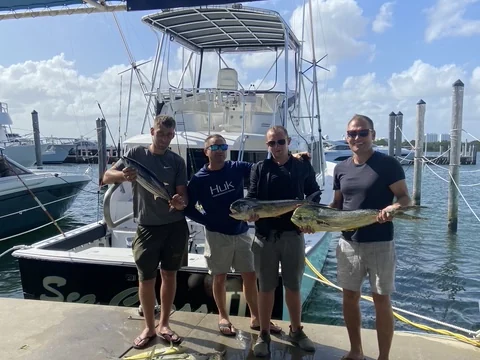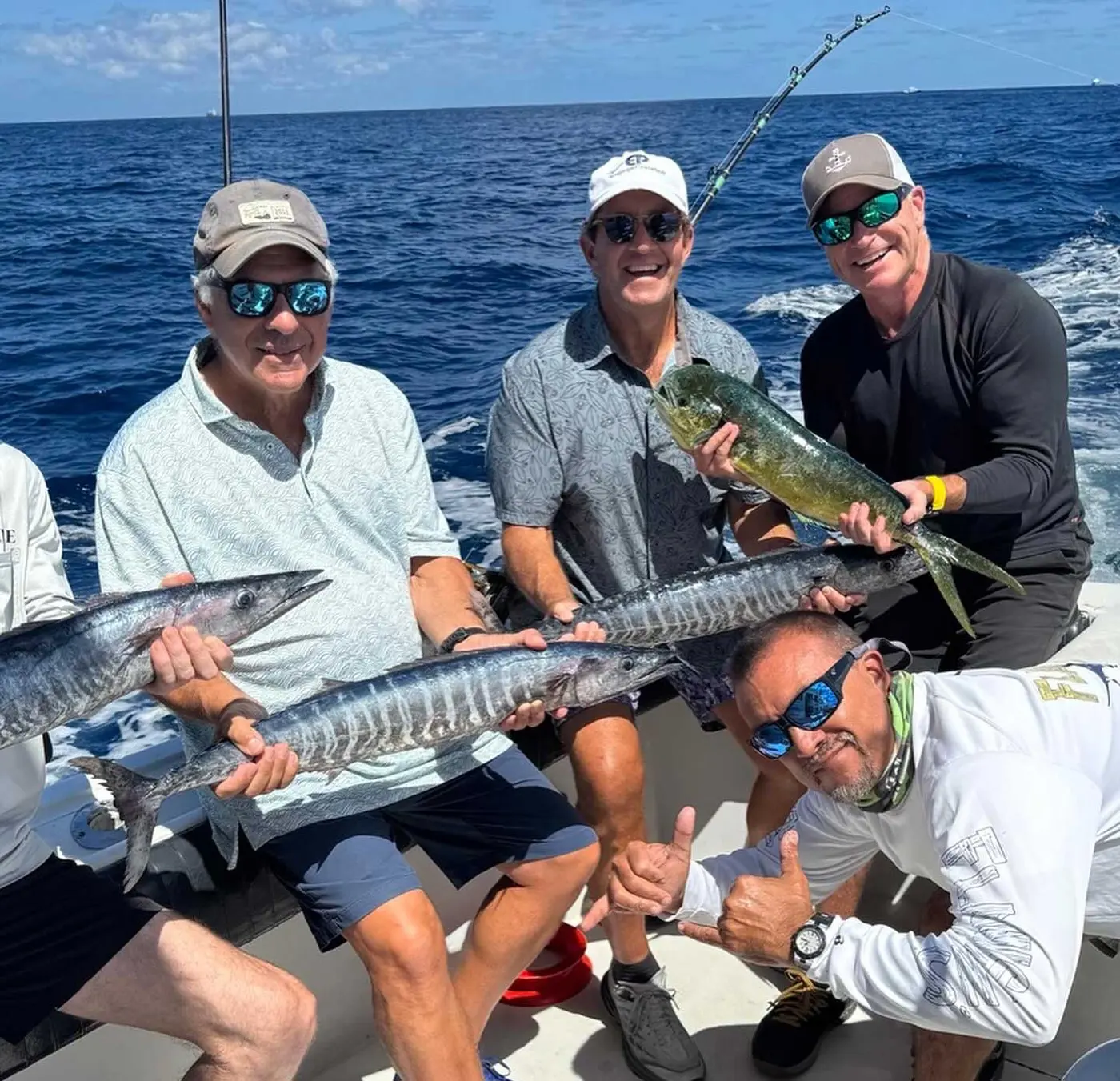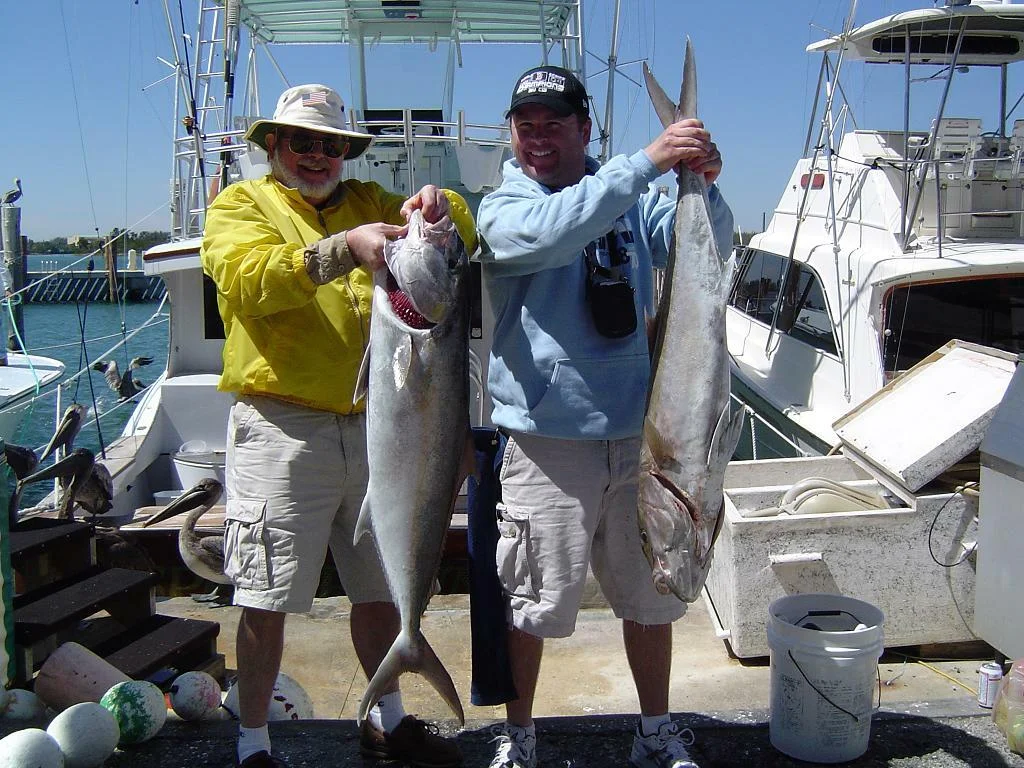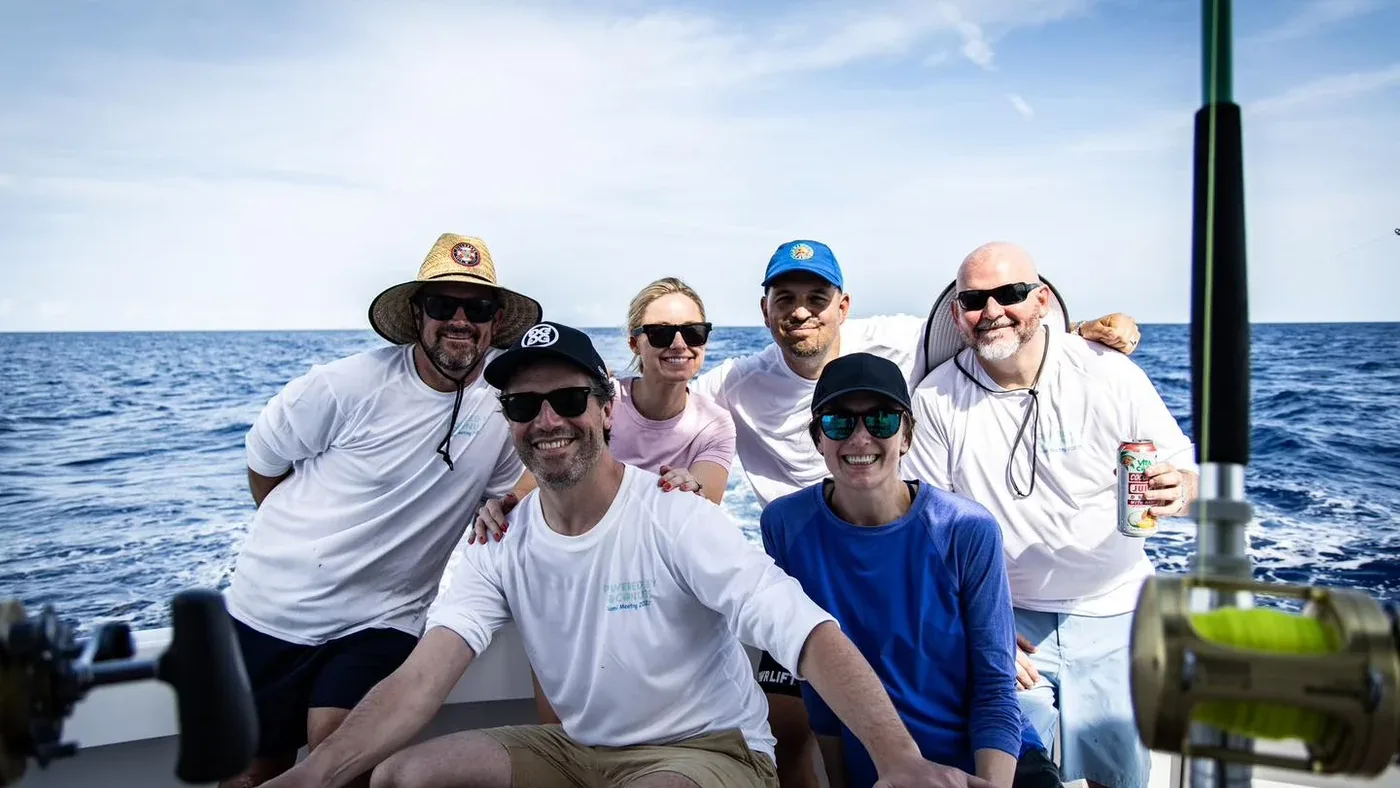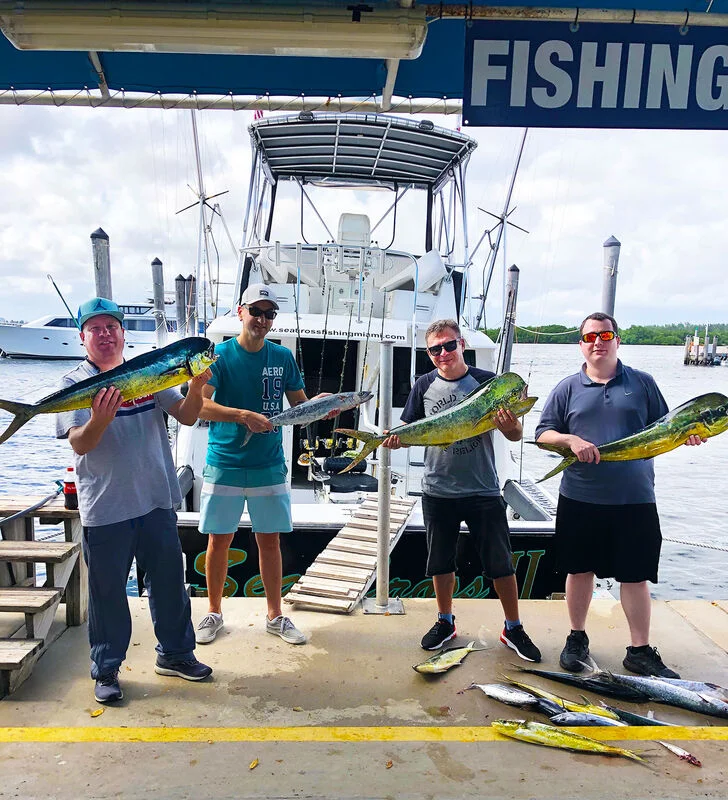
Beautiful weather, light winds and a reef full of kingfish. One surprise mahi over 20 pounds in 100 feet of water, then blackfin tuna on the way offshore.
Miami Deep Sea Fishing Is Red Hot Right Now
Miami deep sea fishing is red hot right now. We went out this weekend on Saturday. It was beautiful weather with light winds, the kind of morning that makes November the easiest month of the year to sell.
We started heading out toward the reef and working our way south, picking up a few kingfish along the way. After a couple of hours of that we had a few kings in the box and the day had a rhythm to it.
Mid November sits right in the middle of the transition. The last of the fall bait is still pushing south, the first real cold fronts have arrived, and the winter species are starting to show up in numbers.
What I like about this stretch is how forgiving it is. You can fish the reef and catch kings all morning, or you can run offshore and look for mahi and tuna. Both programs work, which is not true of every month.
Working South Along The Reef
Trolling south from Haulover puts you along one of the most consistent stretches of reef in South Florida. The second and third reef edges run parallel to the beach, and bait piles against them when the current is right.
Kingfish are the bread and butter fish there in November. They sit on the edge, usually between 90 and 160 feet, and ambush whatever the current brings past. A planer with a spoon or a bonito strip picks them off steadily.
Bigger kings want live bait. A slow trolled goggle eye or blue runner near a wreck edge or a rock pile produces the smokers, while the planer keeps everyone busy with schoolies in between.
I watch for bait showers and nervous water more than I watch the sounder. When ballyhoo start spraying on the surface, there is something under them. That is worth a turn and another pass every single time.
Our Sunny Isles Beach fishing charters work the same reef line north of the inlet, and the pattern is identical. The bait moves, the kings follow, and we follow the kings.
A 20 Pound Mahi In 100 Feet Of Water
We did manage to find one mahi on the reef. Surprisingly, the mahi was in 100 feet of water, and it was a really nice fish over 20 pounds.
That is not where you expect to find a mahi that size. Most fish in that class are offshore on a weed line or a floater in blue water. Finding one on the reef means the bait had pushed in tight and the fish came in after it.
It is also a good reminder not to run past fishable water. Plenty of crews blast out to 1,000 feet every morning without putting a line in on the way. Some of my best fish over the years have come inside 200 feet.
A bull that size on reef tackle is a handful. They jump, they change direction, and they will find every other line in the spread if the cockpit is slow to clear them. That is where a good mate earns the day.
Fish like this show up in November because the water is still warm enough for mahi while the bait migration has them feeding hard. It is a narrow window and it is worth fishing.
Offshore For Mahi And Blackfin Tuna
We then started making our way offshore and we were not disappointed. It was not long before we were on a few other nice fish, a few mahi and some blackfin tunas.
The run offshore from the reef here is short. Within a few miles you are over 500 feet of water and into the Gulf Stream, so switching programs costs maybe fifteen minutes.
Blackfin in November come on planers, on small trolled feathers and on live bait when we find them on the surface. They are thick, fast and fantastic eating when they are bled and iced immediately.
Mahi offshore in November are usually scattered rather than schooled up like they are in the spring. You take them where you find them, often one or two at a time off scattered weed. A pitch bait ready on a spinning rod makes the difference.
Eight hours gives you room to fish both zones properly. That is why full day fishing charters tend to produce the widest variety this time of year.
What The Winter Migration Brings Next
Miami deep sea fishing is picking up. I anticipate great fishing this winter as the weather cools and the fish continue their migrations.
Sailfish, wahoo and white marlin should pour into our water, and cobia will be found on some of the wrecks. That is the sequence every year, and it runs from late November into March.
Sailfish come first and strongest. They rate excellent from November through February, and cold fronts with north winds are what turn them on. Wahoo peak in the same window, usually early in the morning around debris and weed.
Cobia are the wildcard. They show up on wrecks and sometimes free swimming at the surface behind rays. If you see one, you have about ten seconds to get a bait in front of it, so I keep a rod rigged and ready.
White marlin are rare but real here in the winter. I have caught them on the same ballyhoo spread we pull for sailfish, usually without any warning at all.
The month by month ratings for each species are in our Miami deep sea fishing seasons calendar if you are trying to time a trip.
Wrecks Are Where November Turns Into December
The wrecks off Miami Beach carry this fishery through the transition. When the reef bite slows between fronts, structure keeps producing, and that is where the cobia and amberjack start showing up.
There is a lot of bottom worth fishing between Haulover and Government Cut. Wrecks, rock piles and ledges all hold bait, and every one of them fishes a little differently depending on the current.
Amberjack are the workout. Locals call them reef donkeys and the name is earned, because a good one will try to bury you in the structure the second it feels the hook. Heavy drag and fast cranking is the only answer.
Cobia are the opposite. They cruise, they are curious, and they will follow a hooked fish right to the boat. Keeping a spinning rod rigged with a live bait or a bucktail is how you convert those sightings.
Grouper and mutton snapper live on the same bottom. Anchoring up and chumming over good structure can produce a completely different box of fish than trolling does.
I mix both programs in the winter. Troll to find the migrating fish, then fish structure when the trolling goes quiet. That combination is why very few November trips come home empty.
Getting On The Water This Winter
Winter is our busiest season for a reason, and dates in December through March fill quickly. If you have travel plans, get the boat locked in before you book anything else.
We do not run shared or split trips on our Miami fishing charters, so nobody else is in your cockpit watching your fish come over the rail.
Bait, tackle, rods, reels, ice, coolers and Florida fishing licenses are included. Bring a hat, polarized sunglasses, sunscreen, non skid shoes and a light jacket, because the ride out behind a front can be cool.
If anyone in your group has questions about what a day looks like, how tipping works or whether we can chase a specific species, our deep sea fishing FAQs cover most of it. The short answer on species requests is yes, just tell me ahead of time.
Tight lines and stay safe, Capt. Ralph.
Sea Cross Sportfishing, Miami Beach
Fish The Same Water
Capt. Ralph runs these trips out of Bill Bird Marina at Haulover Park. Call (305) 773-2282 to talk dates with Capt. Ralph, or browse the rest of the Miami fishing reports from the log.