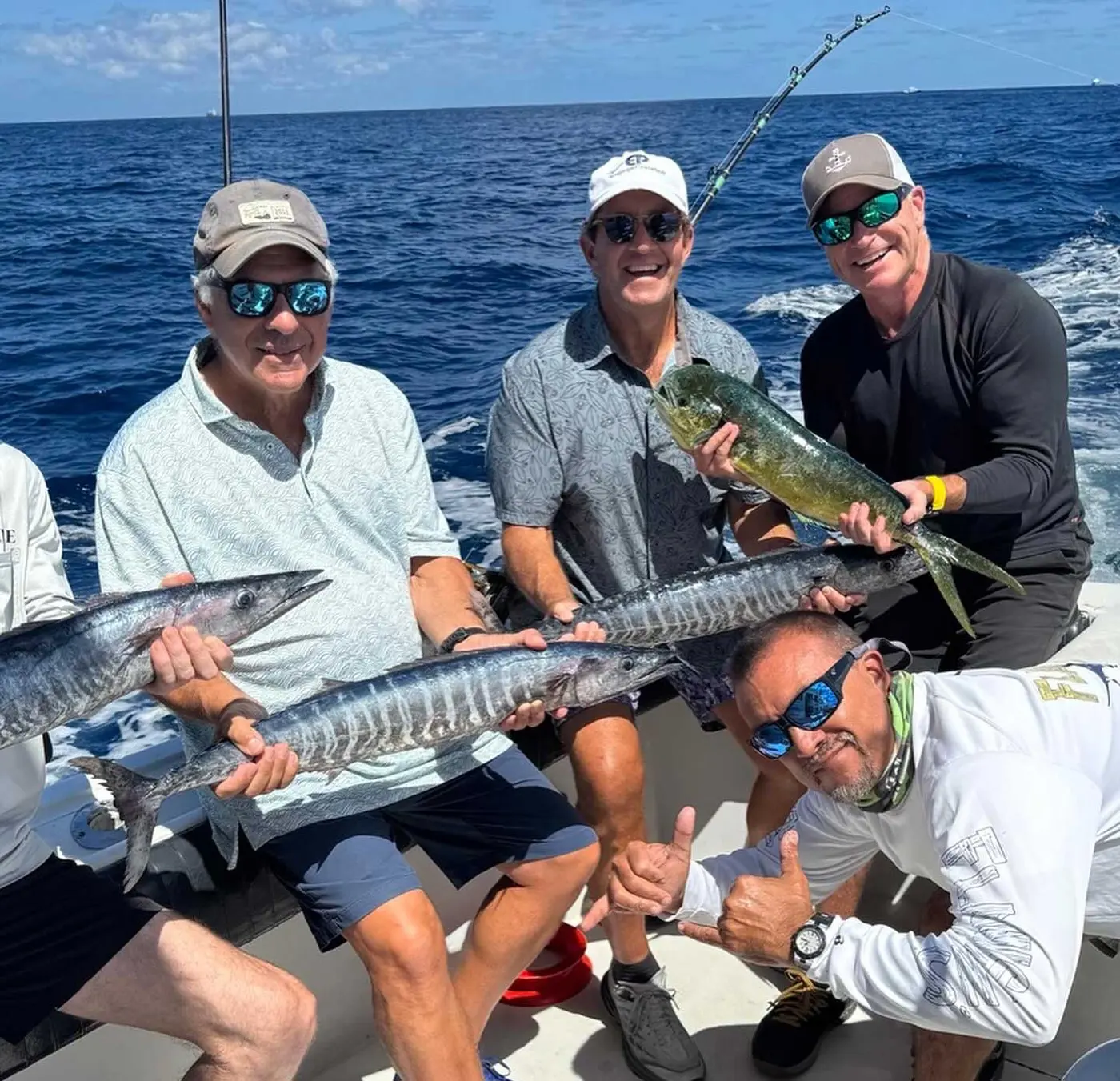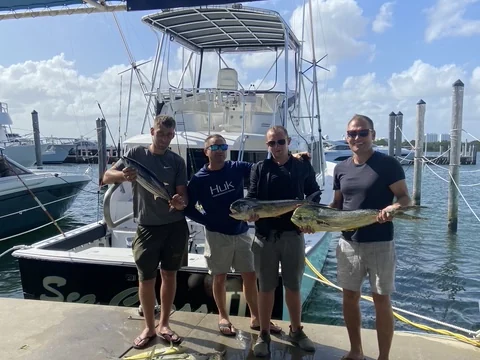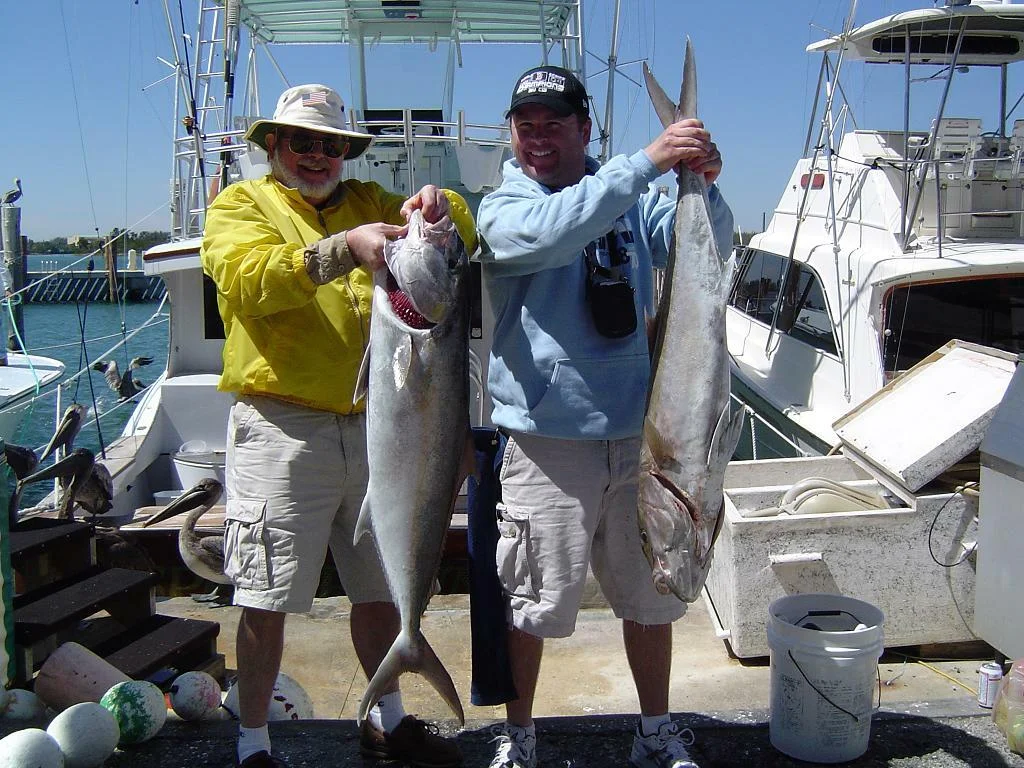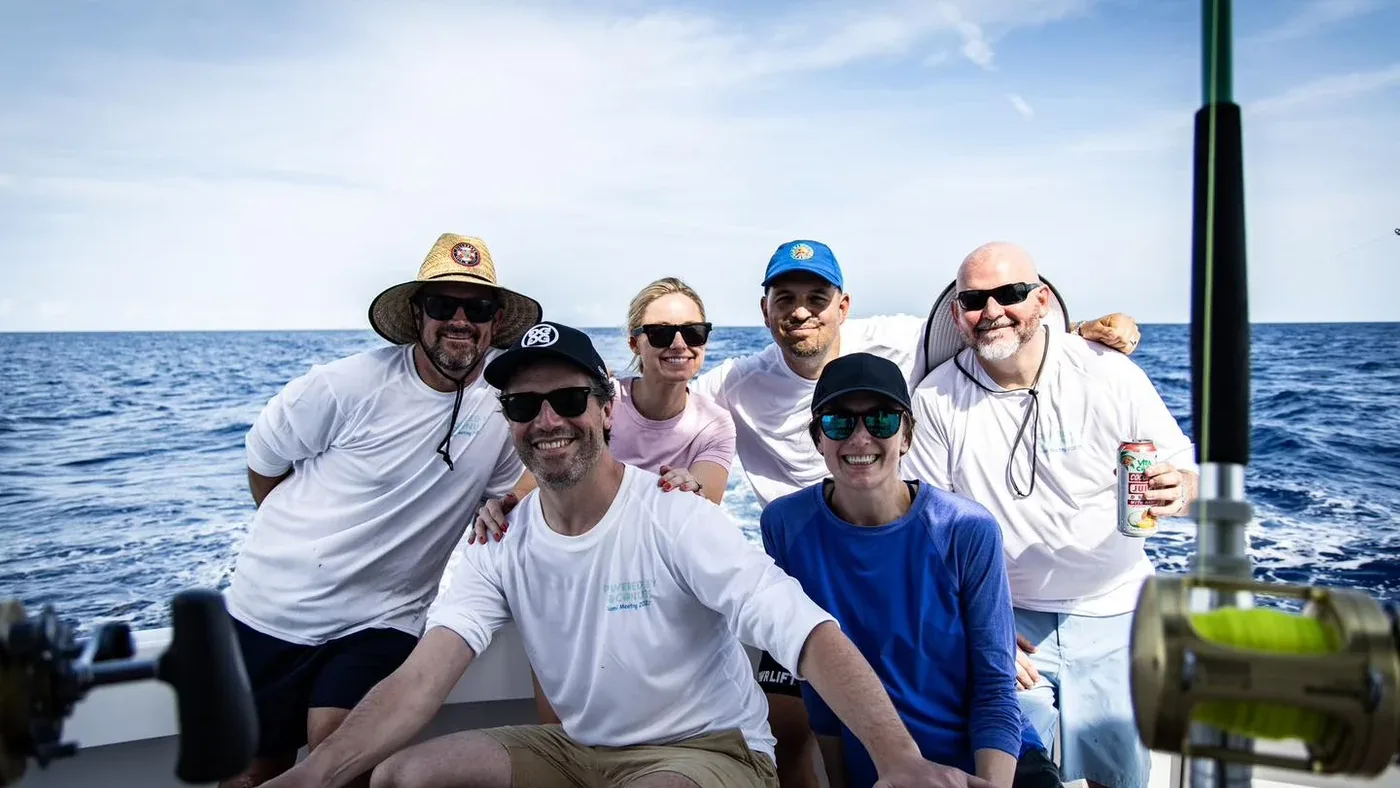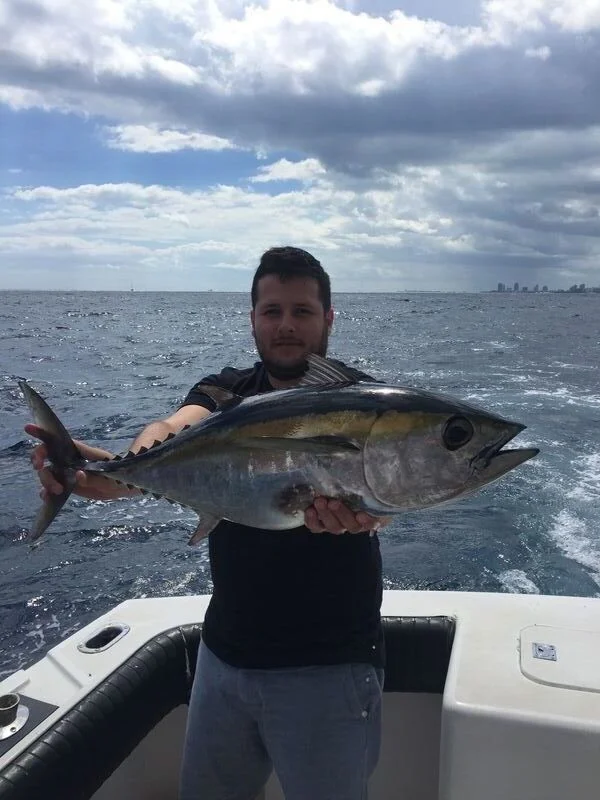
Dry crisp air after a cold front, northeast breeze at 15 knots, and sailfish moving up and down the edge. Two came up on the long bait that day.
A Cold Front Blew Through the Night Before
As I walked out the door that morning I told Alex, feel that dry crisp air. A cold front blew through the night before. You can smell a good sailfish day before you ever see the water.
That dry air is the tell. The humidity drops, the sky goes hard blue, and the wind clocks around to the northeast. Everything the fish need lines up in the space of a few hours.
Alex has been my first mate for a long time and he knew exactly what I meant. We loaded bait without much conversation.
A front like that resets the whole ocean. Water gets cleaner, the bait moves, and fish that were scattered for a week suddenly line up along the edge together.
Some days you go fishing hoping. Other days you go knowing, and this was one of those.
Why Northeast Winds at 15 Knots Are Ideal
Northeast winds at 15 knots are ideal here in South Florida. It comes down to two forces meeting head on, and what happens to the water when they do.
The Gulf Stream runs north along this coast without stopping. When the wind turns and blows from the north against that current, the two oppose each other and the swell stands up tall and close together.
Sailfish use those swells the way a porpoise uses the bow wave of a freighter. They ride the face of the wave, which moves them south with far less effort and keeps them near the surface where we can find them.
That is the whole reason winter is sailfish season off Miami Beach, and the Miami fishing seasons guide tracks the pattern month by month.
Bait Hiding in Seaweed and Floating Debris
With sails starting to move in up and down the edge, the bait fish were hiding in seaweed and floating debris. Find the bait and the rest takes care of itself.
Small fish cannot outrun anything in open water, so they use cover. A patch of drifting sargassum or a scrap of floating wood becomes a hiding place, and predators know to check every one of them.
By November the fall bait migration has peaked. The area is loaded with bait and with fat fish that have been feeding on it for weeks, which is why the sailfish arrive when they do.
I run the edge looking at weed patches and color lines before I ever put a bait in the water.
Four Live Baits on the Outriggers
Once we set the spread out, I put four lines in with four live baits on the outriggers, sitting in the current. A simple spread fished properly beats a complicated one fished badly.
Live bait is the whole method here. Goggle eyes, pilchards and threadfin herring are what the sailfish are already eating, so we give them the same thing with a hook in it.
The riggers spread those baits wide so they cannot tangle when a fish runs. They also hold the line up out of the water, which keeps the bait swimming naturally on the surface.
Sitting in the current means letting the boat and the baits drift with the water rather than fighting it. A bait that moves like everything around it is a bait that gets eaten.
Man of War Birds Heading Our Way
We spotted some man of war birds on the water, heading our way. I told our clients to get ready. When birds come toward the boat, you have a few minutes to prepare and you should use every one of them.
Frigate birds follow sailfish the way gulls follow a shrimp boat. They are waiting for the fish below to drive bait to the surface so they can pick off what escapes.
A single bird tracking steadily in one direction is usually following a single fish. That is a much better sign than most anglers realize.
We got drags checked, rods in the right hands and everyone off the deck rail before the fish arrived.
Forty-Five Minutes on 20 Pound Test
It was not ten minutes later that the first of two sails that day ate our long bait. After a 45 minute battle on 20 pound test we had a trophy sailfish on the deck. My clients were stoked on such a beautiful day deep sea fishing in Miami Beach.
Twenty pound test is light line for a fish that size. It makes the fight long and it makes every decision matter, because you cannot simply muscle the fish to the boat.
Sailfish put on a show in that time. They jump repeatedly, greyhound across the surface and change direction without warning, and the angler has to keep tension through all of it.
Forty-five minutes is a serious workout. Everyone aboard takes turns being tired.
What Happens in the Cockpit When One Comes Up
A sailfish rarely eats quietly. It lights up behind the bait, the dorsal comes out of the water, and the whole fish glows electric blue for a second or two before it commits.
That is when discipline matters. The angler drops the rod tip and lets the fish turn with the bait rather than snatching it away. Pulling too early is the most common way people lose sailfish.
Once the line comes out of the clip and the reel starts running, everything happens at once. The mate clears the other rods, I get the boat turned, and the angler gets into position.
Thirty seconds of chaos, then a long, beautiful fight. That sequence is what people fly here for.
Sailfish Alley Runs Right Past Us
The corridor we fish is known as sailfish alley. It runs along this coast in roughly 75 to 250 feet of water, stitched together by natural ledges and artificial bottom that hold bait.
On a good winter day, sailfish travel that corridor in packs of up to ten fish, feeding as they move south. Spotting a group riding the swells is the moment the whole trip turns.
Everything else feeds in that same band. Kingfish, mahi, blackfin tuna, wahoo, barracuda and sharks all work the same concentrations of bait.
Sharks deserve a mention because they are always around. They will grab a bait intended for something better, and they will happily tax your fish on the way to the boat. Around here they get called the tax man, and it fits.
Our Miami Beach fishing charter trips sit right on top of it from the moment we clear the inlet.
Fishing Aboard the Sea Cross II
That day we fished aboard the Sea Cross II, our 45 foot Hatteras convertible. She is the workhorse of the operation and she runs offshore nearly every day of the year.
Her length and beam make her comfortable and maneuverable, which matters a great deal when you are backing down on a sailfish in a northeast swell. Families like her for the same reasons.
The bigger boat is the 55 foot Sea Cross, rebuilt from the keel up in 2022, with a spacious salon and a full bar. Both are air conditioned and rigged the same way for fishing.
Details on both vessels are laid out with our Hatteras sportfishing charter fleet.
November Is When It All Starts
November is the month the sailfish season opens up here. Anglers who chase them start to get restless as soon as the air cools, because every passing front improves the odds.
December and January are the peak, and February keeps producing while the migration is still running. On the best days, releasing five or more fish is a real possibility.
If sailfish are your goal, watch the forecast and book when the wind turns north or northeast. A longer trip gives us more chances at a moving target, and our three quarter day fishing trips are a good fit for that.
Tight lines and stay safe, Capt. Ralph
Sea Cross Sportfishing, Miami Beach
Fish The Same Water
Capt. Ralph runs these trips out of Bill Bird Marina at Haulover Park. Call (305) 773-2282 to talk dates with Capt. Ralph, or browse the rest of the Miami fishing reports from the log.