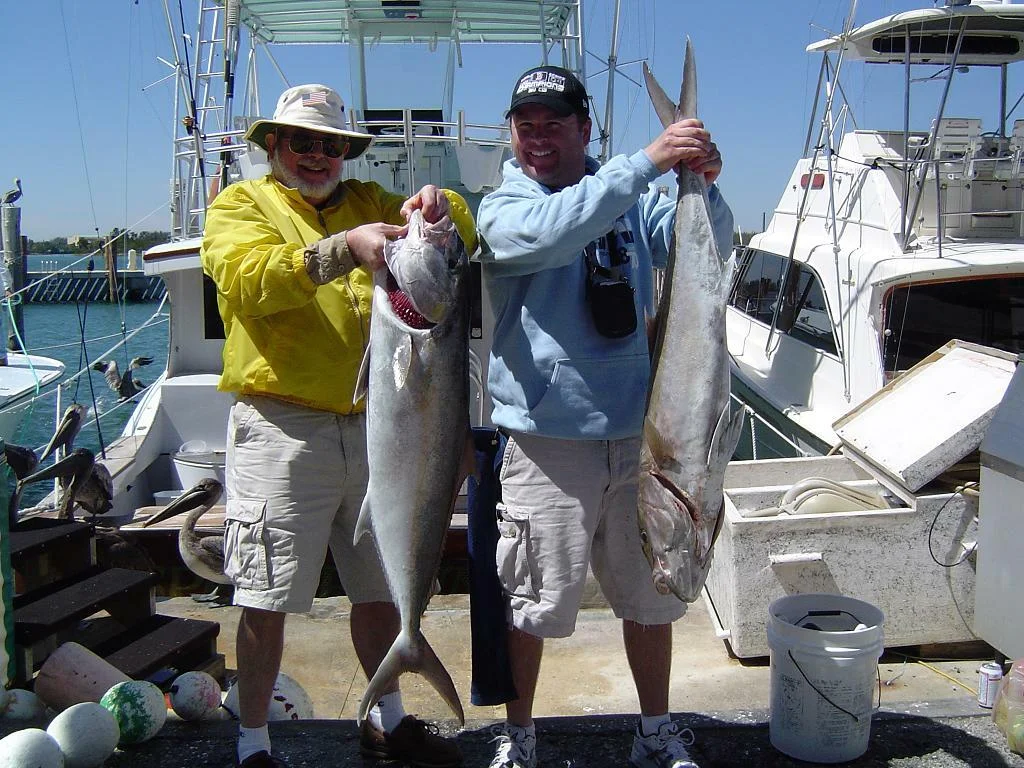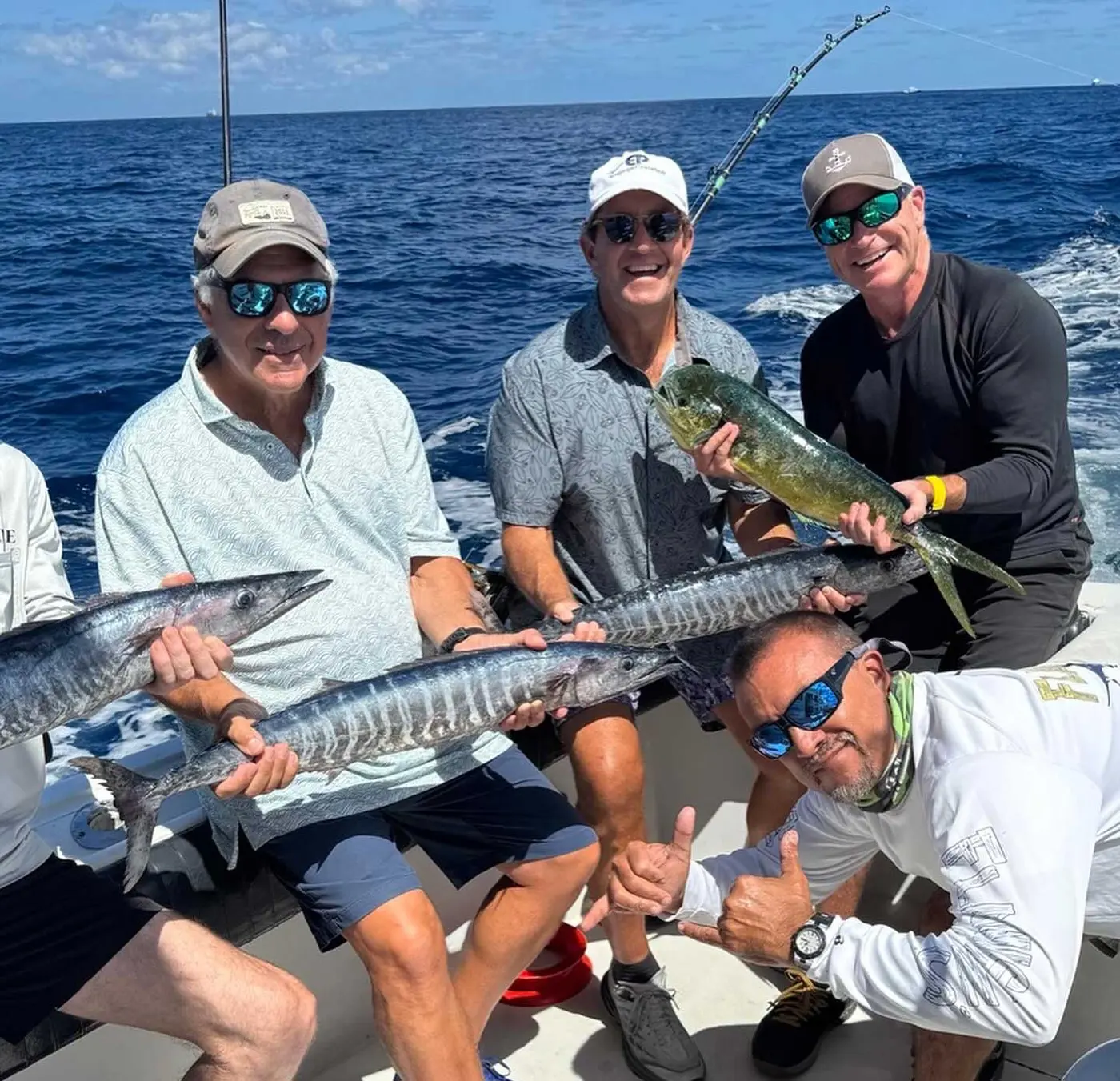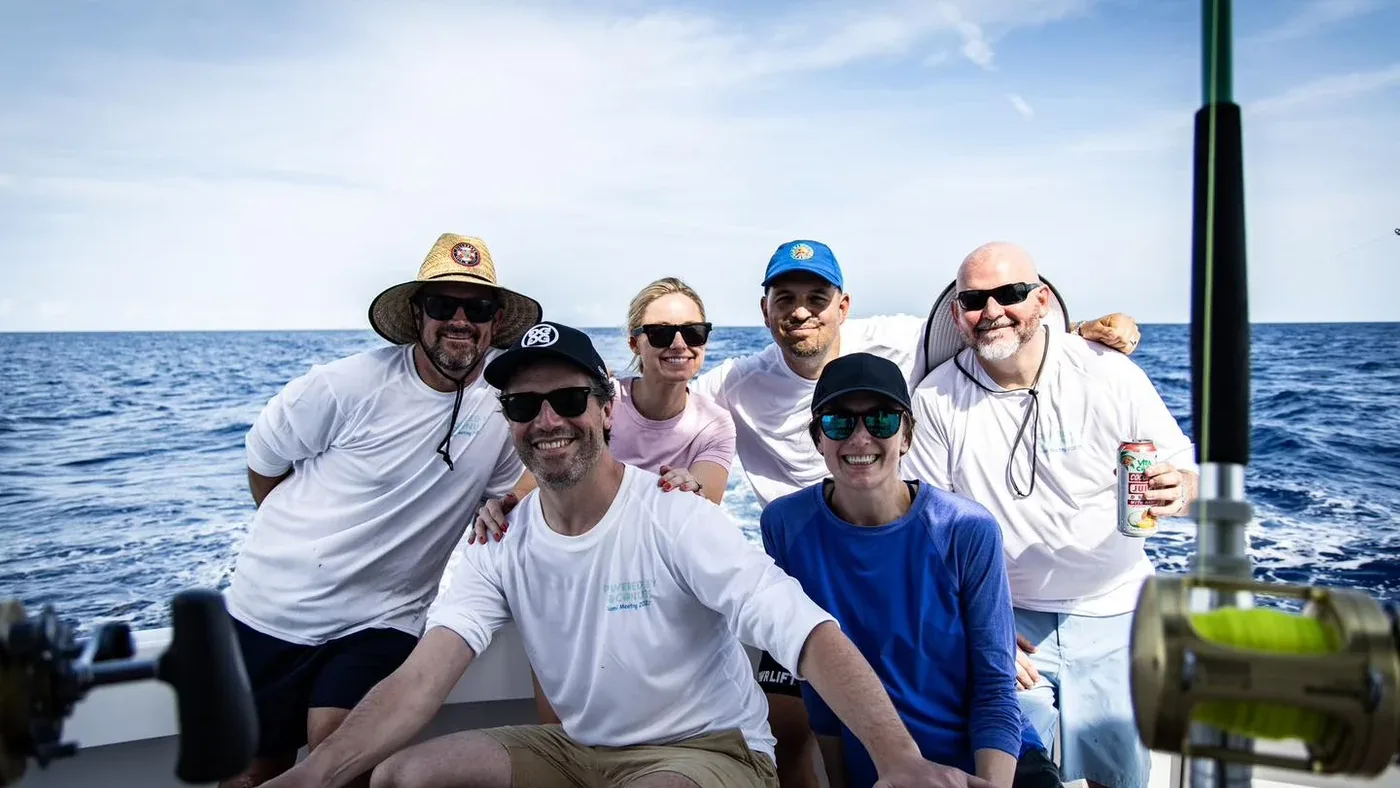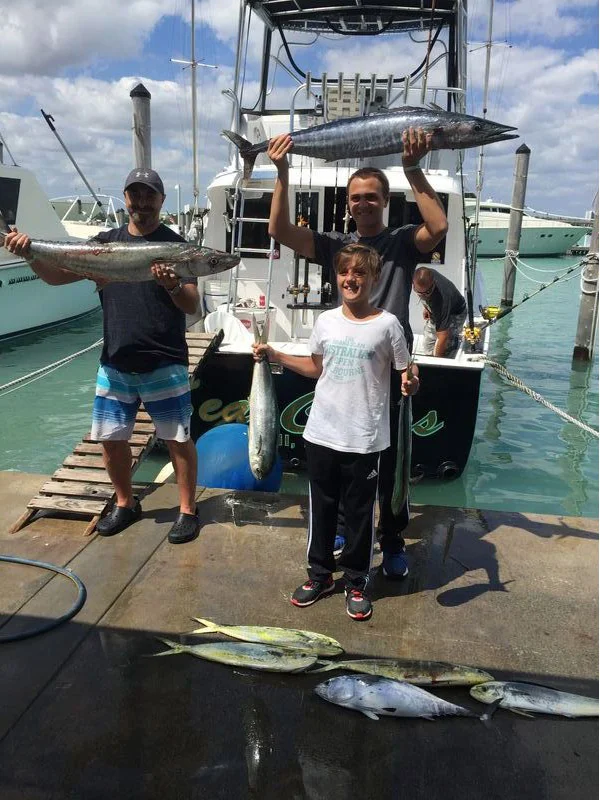
A family from Argentina booked a four hour morning and got three species out of it. Kings on the reef, a 35 pound wahoo under the birds, then mahi.
A March Morning That Started Right
What a great day fishing today for this family from Argentina. The day started out with the really nice kingfish in the 25 pound range on the reef, with a few mackerel mixed in. As we pushed off the reef, I hear Sergio tell me what a great way to start the morning. I told him, absolutely!
I knew right there and then, we were going to have a great time. March does that along this coast. The spring bait migration is running north and the reef edge fills with fish that have been feeding hard all winter.
We cleared Haulover Inlet a little after eight. Fishable water was under us in about fifteen minutes. Visitors never quite believe that until they watch it happen from the cockpit.
Bill Bird Marina at Haulover Park sits close enough to the drop that a four hour trip is a real fishing trip. Sergio and his family had never fished this coast before. By the time the sun was full up we already had kings in the box.
Why Reef Kings Get Heavy in March
March is one of the strongest king mackerel months we get. The baitfish that ran south in the fall are pushing back north as the water warms. Kingfish follow that parade, and the ones we meet now have been fattening up for months.
A 25 pound king is a serious fish on reef tackle. They are known for acrobatic leaps and runs that make a reel smoke. Nobody on the boat has to ask what happened when one eats.
We look for them along the reef edge and the first drop, generally between 125 and 200 feet. Slow trolling a live blue runner at mid depth is dependable. Chrome drone spoons behind a planer cover water faster when we are still searching.
Spanish mackerel share that same stretch this time of year. So do bonito, bluefish and the occasional cobia riding through. The Miami deep sea fishing seasons calendar rates king mackerel at the top of the scale through March for exactly this reason.
Reading Color Changes and Current Rips
Most of what I do on a reef trip is look at water. Color changes, current rips and foam lines all tell you where bait is holding on a given morning. A hard edge between green inshore water and blue Gulf Stream water is a fish highway.
Rips form where two bodies of water meet and refuse to mix. Debris collects along them, small bait hides in the debris, and predators patrol the seam. Trolling parallel to a rip beats cutting across it every single time.
Water temperature matters less here than in most places because the Gulf Stream keeps things steady. Current direction matters a great deal more. A north current on this coast is usually a good sign, and a slack or southbound current often means a slower morning.
None of that requires electronics. It requires looking hard at the water before deciding where to put the baits. That habit is what produced the kings on this trip.
Frigate Birds and a 35 Pound Wahoo
Before you knew it, we were running up on some birds, and I see that the planer rod starts to scream. I told Sergio to jump in the chair. But he was ready as I handed him the rod, he took over and reeled like crazy. Before long we had a 35 pound wahoo on the deck.
Birds are the shortcut out here. Frigates working a patch of water mean bait is getting pushed up from below by something. When I spot that, I trim the spread and get the crew on their feet before we are anywhere close.
Wahoo hunt deeper than most anglers expect. That is why a planer bait gets crushed while the surface baits ride untouched. The planer drags a bait down into their strike zone and keeps it there at trolling speed.
The first run is what costs you the fish. A wahoo can take two hundred yards before anyone registers the bite. Sergio kept the rod low and the pressure honest, which is all you can really do.
Mahi-Mahi to Close Out the Trip
As the day went on, we hooked up with a few mahi-mahi. All this fishing action came on a half day fishing trip from eight to twelve. That is the part I want people to hear.
Spring mahi off this coast hold near floating debris, scattered weed and color changes in the water. The biggest fish of the season turn up in March and April after a winter of easy meals. Slammer dolphin near forty pounds are a real possibility.
When the first one comes to the boat, the mate pitches live baits to hold the school. Mahi are competitive and a hooked fish will drag the others along with it. Leave that fish in the water and you can often put several more in the box.
Our half day fishing charters run four hours and still reach every bit of this water. Three species before noon is not unusual in March. It comes down to knowing where to point the bow.
Four Hours Is Enough Time Off This Coast
People ask whether a morning trip is long enough to catch anything worth talking about. Off Miami Beach the answer is yes, and the geography is why. The Gulf Stream runs closer to shore here than at any other port on this seaboard.
From Haulover we are in 125 feet of water within minutes of clearing the jetties. Two hundred feet is barely further out. The deep drop that other ports need an hour to reach sits right in front of us.
That changes how a short trip fishes. We are not burning half the clock running. We fish the reef, push off the edge, work the birds, and still have time to troll up a wahoo.
It also means we can turn around quickly if the weather moves in. A short ride home is a safety margin, not just a convenience.
What We Had Rigged That Morning
The spread was the one I run most spring mornings. Two planer rods with spoons and strip baits, two flat lines, and live bait waiting in the well. The Hatteras charter fleet carries custom rods built by Biscayne Rods and reels from Penn, Daiwa, Newell and Shimano.
Water clarity decides leader length on any given day. Clear spring water means longer leaders and lighter wire, or no wire at all behind a big spoon. That one adjustment is often the difference between three bites and thirteen.
Bait and tackle come with every trip, along with Florida fishing licenses for everyone aboard. We carry a cooler and ice for your food and drinks. You bring a hat, polarized sunglasses, sunscreen and a light jacket.
Nobody else fishes alongside you, and the mate handles filleting your catch at the dock.
Spring Mornings Out of Haulover
March gets windy along this coast, and wind is not the enemy people assume. A steady breeze stacks bait against the reef and turns the bite on. Our boats handle those conditions safely when smaller vessels are stuck at the dock.
If you want a shot at kings, wahoo and mahi inside the same four hours, this is the window to use. Pick up the phone and dial (305) 773-2282 and we will read the forecast together. More trips like this one sit in our Miami fishing reports.
Sergio and his family flew home with fillets and a story to tell. That is the whole job as far as I am concerned.
Tight lines and stay safe, Capt. Ralph
Sea Cross Sportfishing, Miami Beach
Fish The Same Water
Capt. Ralph runs these trips out of Bill Bird Marina at Haulover Park. Call (305) 773-2282 to talk dates with Capt. Ralph, or browse the rest of the Miami fishing reports from the log.