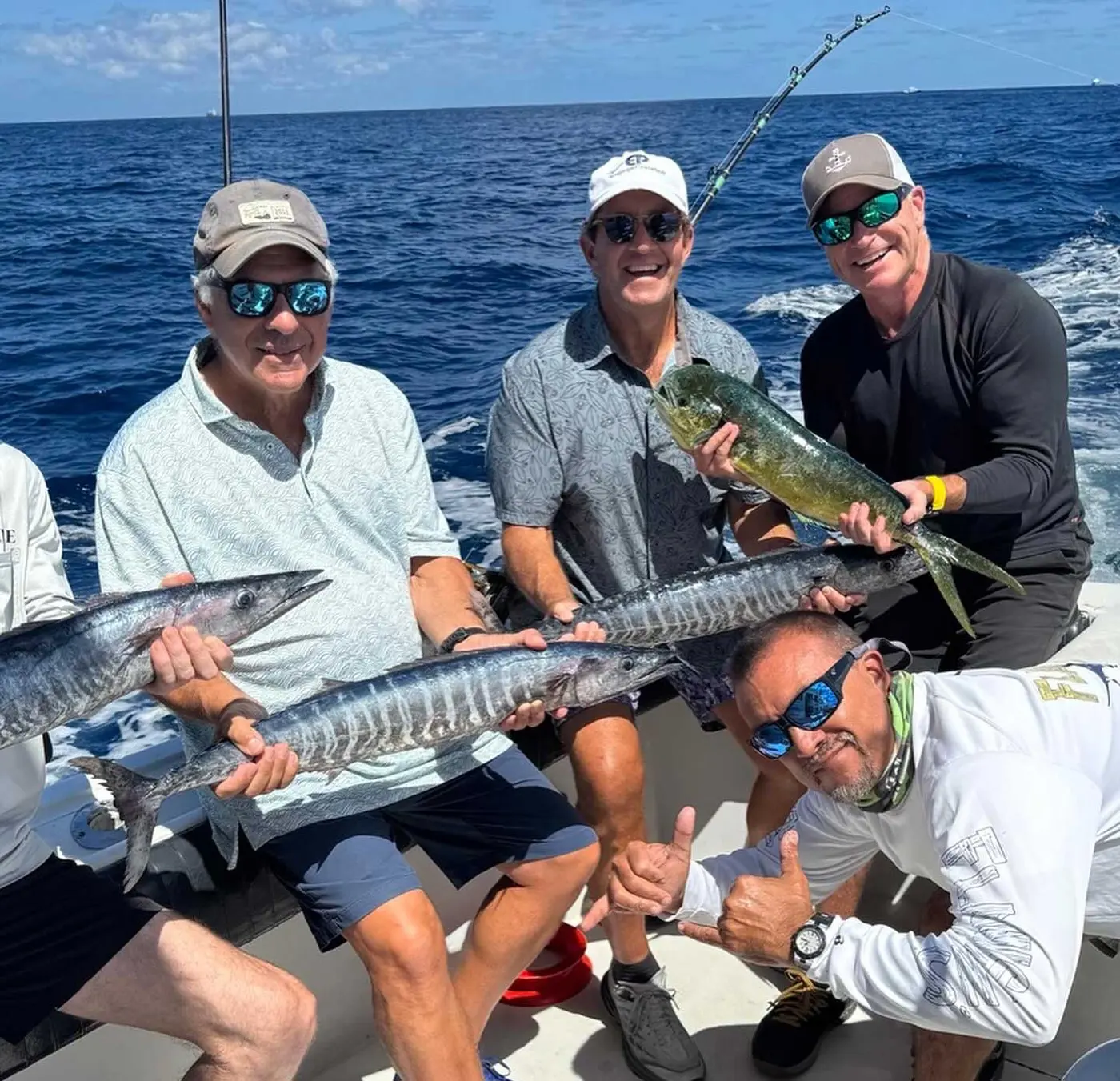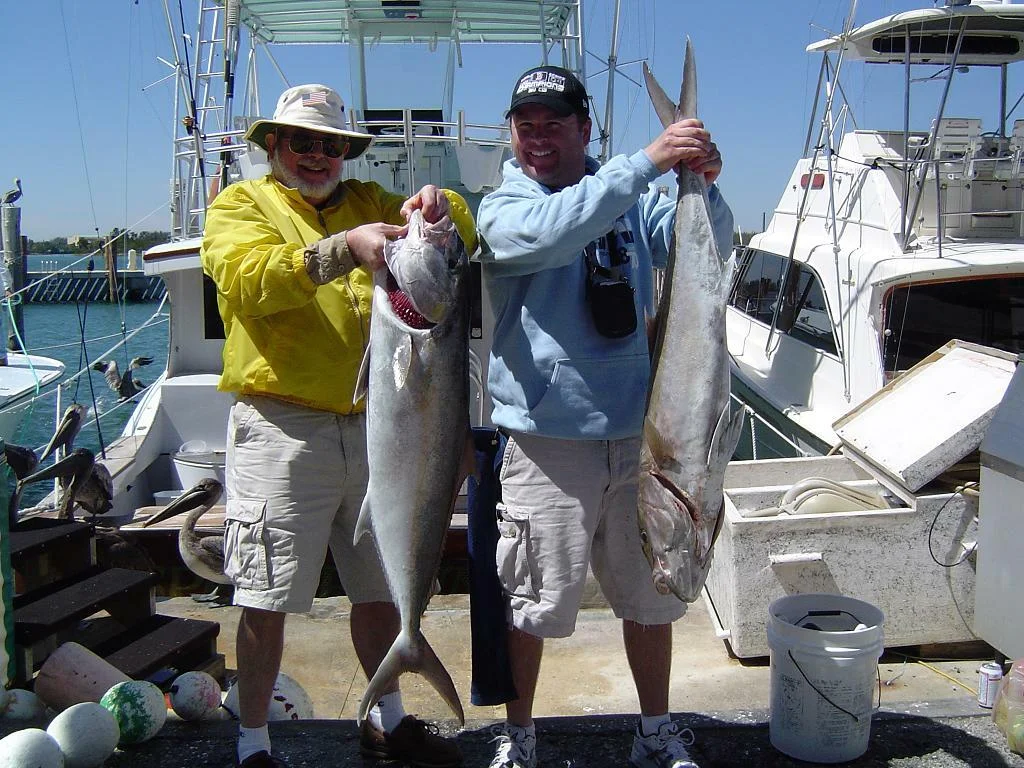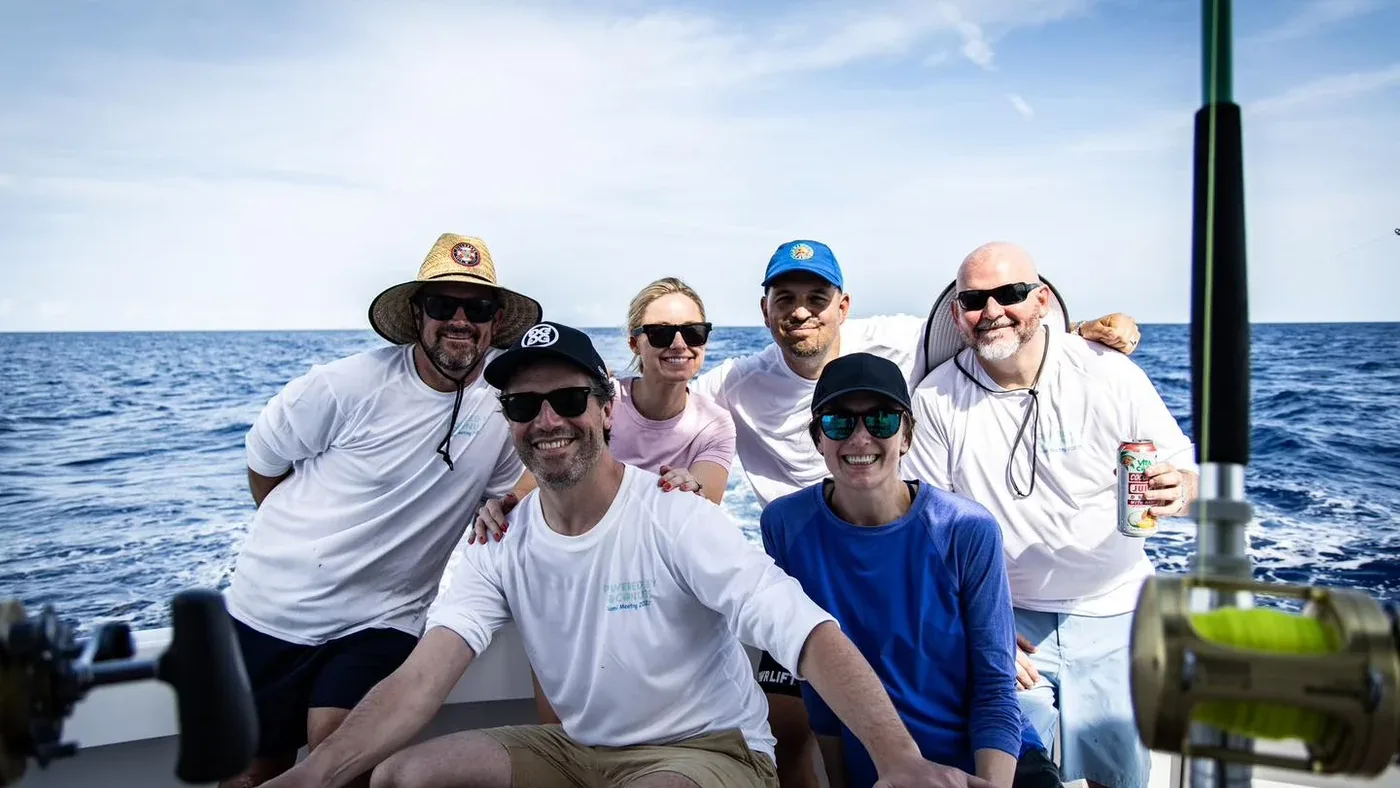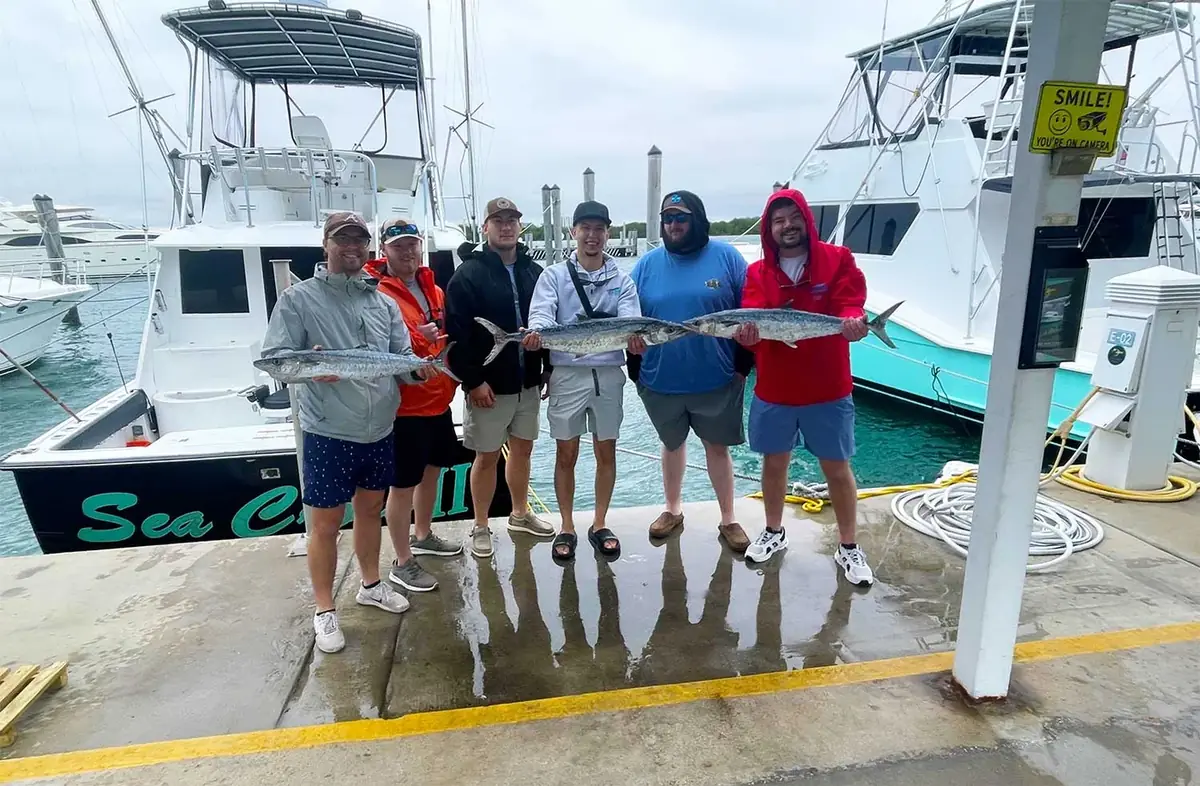
Wahoo are making a strong showing off our coast and the blackfin tuna are right behind them. Here is where they are sitting and how we are getting bit.
Wahoo Are Making A Strong Showing
One of the most dependable species in wintertime is the wahoo. They are currently making a strong showing off our coast. Also making a good showing just before the full moon are blackfin tuna.
In the winter months we usually get a good push of wahoo and blackfin, and they are starting to show up now. The wahoo have been biting better in the morning, underneath floating debris, birds and weed lines. The blackfin bite has been more prevalent later in the afternoon.
That morning window matters more with wahoo than with almost anything else we catch. Low light seems to make them commit. By ten or eleven o'clock the same piece of debris that produced two fish at daybreak will sit there and do nothing.
So we start early and we move. A floater that holds nothing on the first pass sometimes lights up on the second, especially if there is bait flickering under it.
Where The Wahoo Are Sitting Right Now
Wahoo are structure fish in open water. Anything that breaks up the surface will hold them, and off Miami Beach that usually means a weed line, a pallet, a piece of board, or a scattering of frigate birds working bait.
Most of our fish this month have come between 150 and 500 feet. The edge of the Gulf Stream sits close here, so you are in wahoo water within a few miles of Haulover Inlet. That short run is one of the real advantages of fishing out of Miami Beach in January.
When I find something floating, I do not drive over the top of it. I work the down current side first and keep the spread away from the debris itself. Wahoo tend to sit a little deeper and off to the side rather than tight under it.
Current direction is the other thing I watch. A clean north push with a color change nearby will concentrate everything into one seam. When that seam sets up, I will run it for miles instead of hunting new water.
Baits And Rigs That Are Getting Bit
A wahoo has a mouth full of razors, so the rig decides whether you land one or lose it. I run a double hook rig with heavy mono leader and skip the wire. Wire kills the action of the bait and I believe it spooks fish in this clear Gulf Stream water.
You will get cut off occasionally on straight mono. I accept that trade because the bite rate is so much higher. On balance I land far more fish this way than I would dragging wire through a clean blue spread.
The planer is the other key. A number eight planer carries a bait roughly 40 feet under the surface, which is right where wahoo cruise. A bonito strip behind a skirted lure on that planer rod accounts for a large share of our winter fish.
For the blackfin we go a different direction in the afternoon. A planer pulling a multi hook squid rig is deadly, and overcast light helps. Blackfin have excellent eyesight, so cloud cover makes them far less picky about what they eat.
Kingfish Are Filling In On The Reef
There is also a good pulse of kingfish in the area. The kingfish have been biting sporadically throughout the daytime hours. We expect their presence and activity to increase in the coming weeks as we head into more springtime weather.
Kings are the species that keeps a trip honest. When the offshore bite is slow, we slide back to the reef in 80 to 150 feet and pull planers and flat lines along the edge. Somebody usually gets bent.
We have been finding them where bait is pinned against the reef line, especially north of the inlet toward the Sunny Isles stretch. If you are staying up that way, our Sunny Isles Beach fishing charters run the same water and the same program.
Bigger kings tend to come on slow trolled live bait rather than dead bait. A live goggle eye or a blue runner fished on a short wire trace near a wreck edge will get eaten by the better fish in the school.
Kingfish also give up their position if you watch the surface. Nervous bait, a sudden boil, or a fish skyrocketing clear of the water all mean a school is under you. When I see that, I make a tight turn and put the baits right back through it.
The other thing worth noting is that king mackerel run all day long in winter. Sailfish and wahoo have their windows, but kings will eat at eleven in the morning when everything else has shut off. They are the reason very few winter trips come home empty.
How A Winter Morning Runs On My Boat
We leave Bill Bird Marina at Haulover Park at eight o'clock and the spread is in the water before we clear the sea buoy. Two flat lines with rigged ballyhoo, two riggers, a planer with a bonito strip, and one rod ready with a pitch bait.
The pitch bait matters in winter. Wahoo and mahi often show behind the boat without eating anything in the spread. If a fish comes up and refuses the trolled baits, a live bait or a naked ballyhoo thrown right at it will usually get the bite.
First hour we work the reef edge in 120 to 180 feet, looking for kings and anything moving on the surface. If the water looks green and dead, we turn east and hunt for the color change instead of grinding the same line.
Once we find clean blue water with a weed line in it, everything slows down and gets deliberate. We run the edge of the weed, not through it, and we stay off the throttle. Fast trolling through a good line will scatter the bait and cost you the fish that were holding under it.
By mid morning we usually know which program is working. Some days it is all planer. Other days the surface baits get destroyed and the planer never trips. I let the fish decide rather than forcing my favorite method on the day.
The last hour before we turn for the inlet is often the sleeper window. Fish that ignored everything at nine o'clock will eat at eleven thirty when the current picks up on the tide change. I have had more than one trip saved in the final thirty minutes.
Why Cold Fronts Make This Season Worth Booking
This is a great time of year to go deep sea fishing off Miami Beach. The cold fronts that come through can really turn the fishing red hot. Also on the horizon is spring, when the bait migration starts heading south.
A front does three things for us. It drops the surface temperature, it swings the wind north, and it stirs the bait into tight schools. Wahoo, kingfish and sailfish all react to that within a day or two.
The catch is that the day of the front is often too rough to fish comfortably. The sweet spot is the second or third day behind it, when the seas lay down but the water is still churned up and the current is ripping. That is when I want to be out there.
For a winter mixed bag I usually recommend a three-quarter day fishing charter, which gives us six hours to troll the edge and still work the reef. If your group has younger kids or a tight schedule, a half day fishing charter still reaches the same water from Haulover.
The rest of the winter calendar is laid out in our Miami deep sea fishing seasons guide if you want to plan around a specific species.
Tight lines and stay safe, Capt. Ralph.
Sea Cross Sportfishing, Miami Beach
Fish The Same Water
Capt. Ralph runs these trips out of Bill Bird Marina at Haulover Park. Call (305) 773-2282 to talk dates with Capt. Ralph, or browse the rest of the Miami fishing reports from the log.